Metabolic Health 101: What It Is and Why It Matters More Than Weight
Five biomarkers define metabolic health — and 88% of American adults are metabolically unhealthy. Here's what to do about it.
Insulin sensitivity, blood sugar, and metabolic fitness.
Five biomarkers define metabolic health — and 88% of American adults are metabolically unhealthy. Here's what to do about it.
Skeletal muscle is not just for movement — it is the dominant site of glucose disposal, metabolic flexibility, and insulin signalling in the body.
Glucose management underlies energy, mood, weight, and long-term disease risk. Understanding how it works is the foundation of metabolic health.
Glycogen - the stored form of carbohydrate in muscle and liver - is the primary fuel for moderate-to-high intensity exercise. Managing it intelligently changes training performance and recovery.
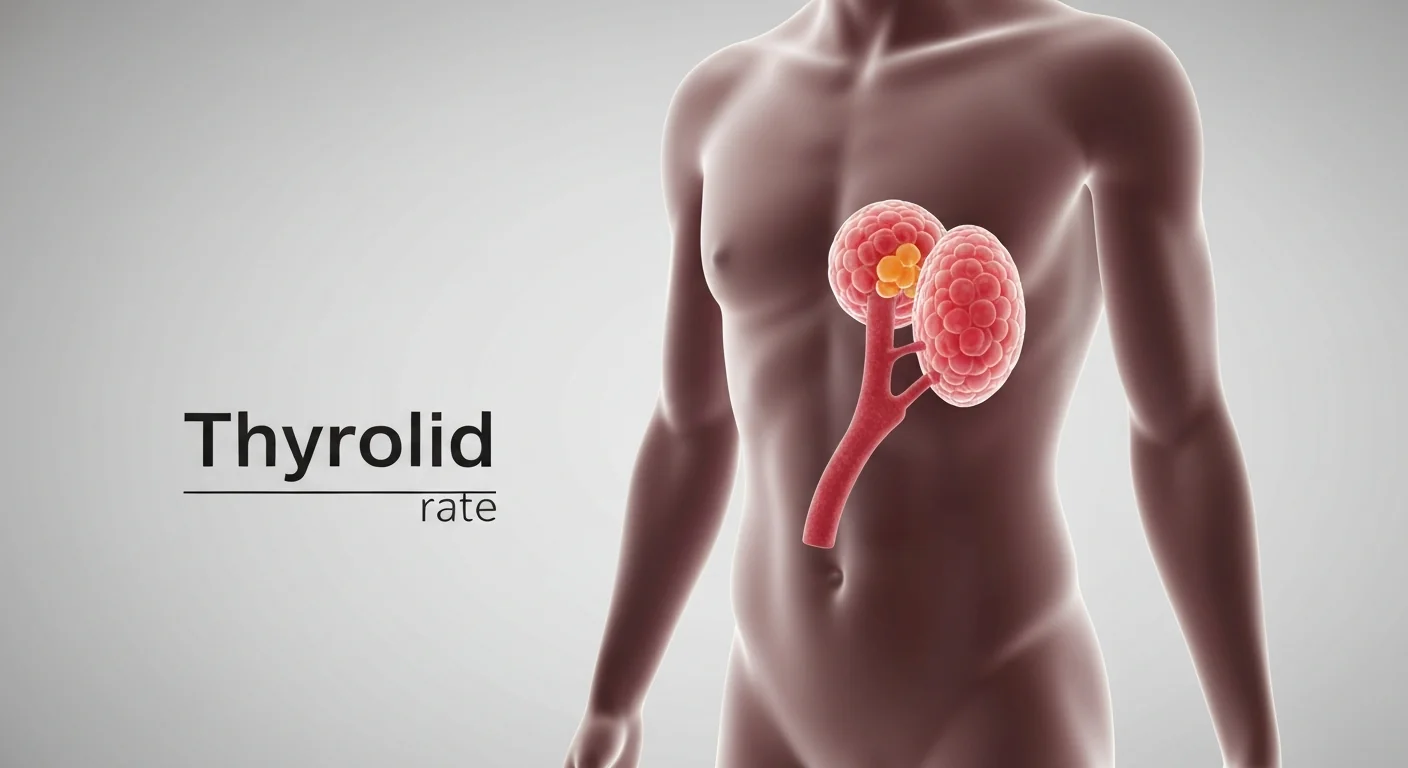
Thyroid dysfunction affects metabolism, energy, mood, and body composition in ways that are often misattributed to other causes. Understanding the basics empowers better conversations with your doctor.
Metabolic inflexibility - inability to efficiently switch between fuel sources - underlies much of modern metabolic disease. Here is how to improve it.
Visceral fat - the fat stored around internal organs - is metabolically active and harmful in ways that subcutaneous fat is not. The good news: it responds disproportionately well to lifestyle intervention.
CGMs have moved into the wellness mainstream. The evidence for their value in non-diabetic users is limited but the insights they provide about food and lifestyle responses are often surprising.
Insulin resistance sits at the root of type 2 diabetes, cardiovascular disease, and many cancers. Understanding it - and the surprisingly modifiable lifestyle factors that drive it - is essential preventive knowledge.