How thyroid hormones set your metabolic rate
Thyroid dysfunction affects metabolism, energy, mood, and body composition in ways that are often misattributed to other causes. Understanding the basics empowers better conversations with your doctor.
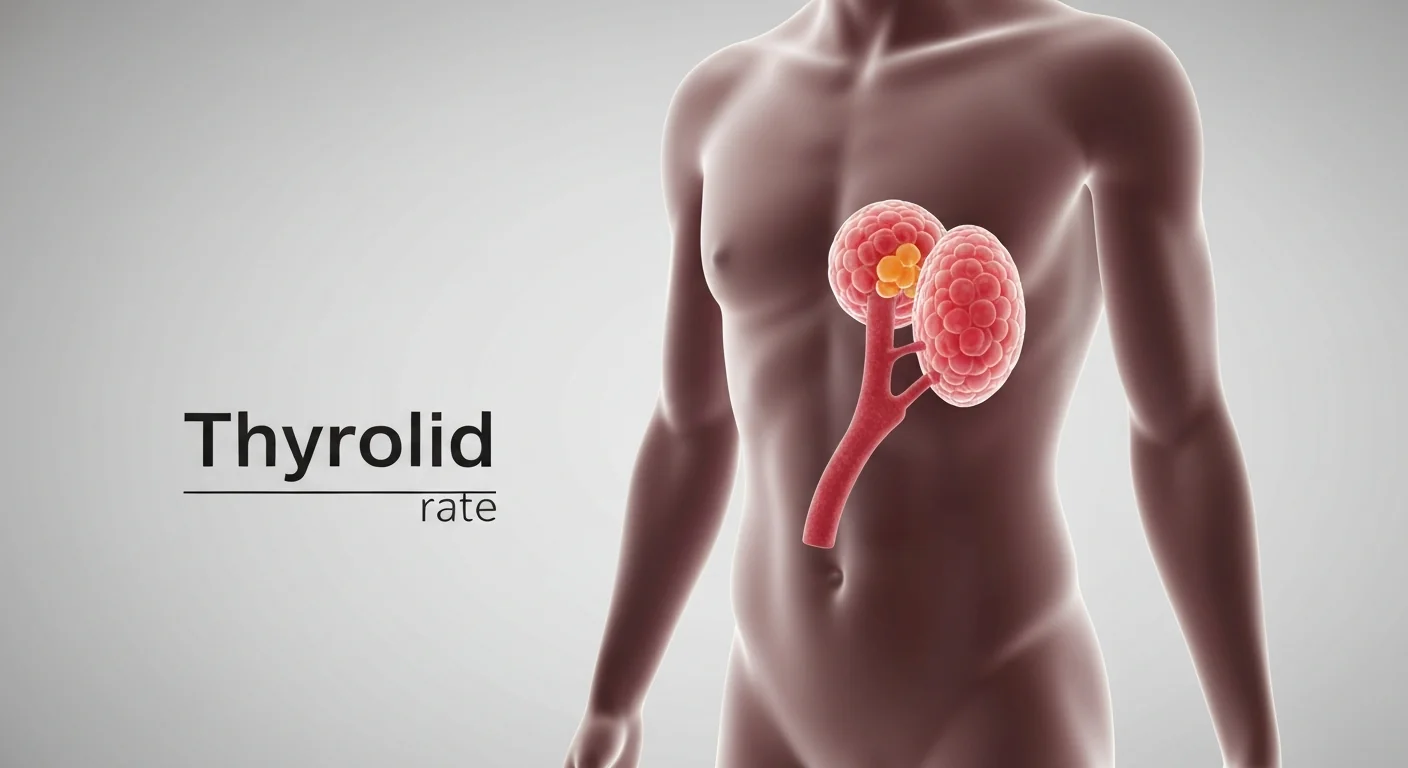
What the Thyroid Does
The thyroid gland produces two hormones: T4 (thyroxine) and T3 (triiodothyronine). T3 is the active form; T4 is a prohormone that is converted to T3 primarily in the liver and peripheral tissues. Together they regulate basal metabolic rate, body temperature, heart rate, digestive function, muscle strength, and cognitive function.
TSH (thyroid-stimulating hormone), produced by the pituitary gland, controls thyroid hormone output. An elevated TSH indicates the pituitary is working harder to stimulate an underperforming thyroid (hypothyroidism); a suppressed TSH indicates thyroid hormones are already high (hyperthyroidism).
Hypothyroidism: The Common Underdiagnosed Condition
Hypothyroidism affects approximately 5% of the adult population, with subclinical hypothyroidism (elevated TSH but normal T4) affecting a further 5-10%. Symptoms often develop slowly and are easily attributed to other causes: fatigue, weight gain, cold intolerance, constipation, dry skin, hair loss, cognitive slowing, and depression.
"Hypothyroidism is one of the most underdiagnosed conditions in primary care because its symptoms overlap with almost every other condition that causes fatigue." - Dr. Antonio Bianco, University of Chicago
The TSH Range Debate
The standard TSH reference range (0.4-4.0 mIU/L in most labs) is population-derived and includes many subclinically hypothyroid individuals. Some functional medicine practitioners argue for a tighter optimal range of 1.0-2.0 mIU/L. There is insufficient RCT evidence to determine which range is clinically superior. What matters most: how you feel alongside your numbers, not the number alone.
What Affects Thyroid Function
- Iodine and selenium: Essential cofactors for thyroid hormone synthesis and T4-to-T3 conversion respectively. Deficiency (rare in developed countries) impairs function.
- Severe caloric restriction: Crash dieting reduces T3 as a metabolic conservation response.
- Autoimmune disease (Hashimoto's): The most common cause of hypothyroidism in developed countries.
- Certain medications: Lithium, amiodarone, and some chemotherapy drugs impair thyroid function.
Thyroid Function in Practice
If you have unexplained fatigue, weight changes, or any combination of hypothyroid symptoms, request a thyroid panel including TSH, free T4, free T3, and thyroid antibodies (anti-TPO). A standard TSH alone misses conversion problems (normal T4 but low T3) and autoimmune thyroiditis. Treatment when warranted is effective and well-tolerated - and can be transformative for quality of life.