Understanding and reversing insulin resistance
Insulin resistance sits at the root of type 2 diabetes, cardiovascular disease, and many cancers. Understanding it - and the surprisingly modifiable lifestyle factors that drive it - is essential preventive knowledge.
The Insulin Resistance Mechanism
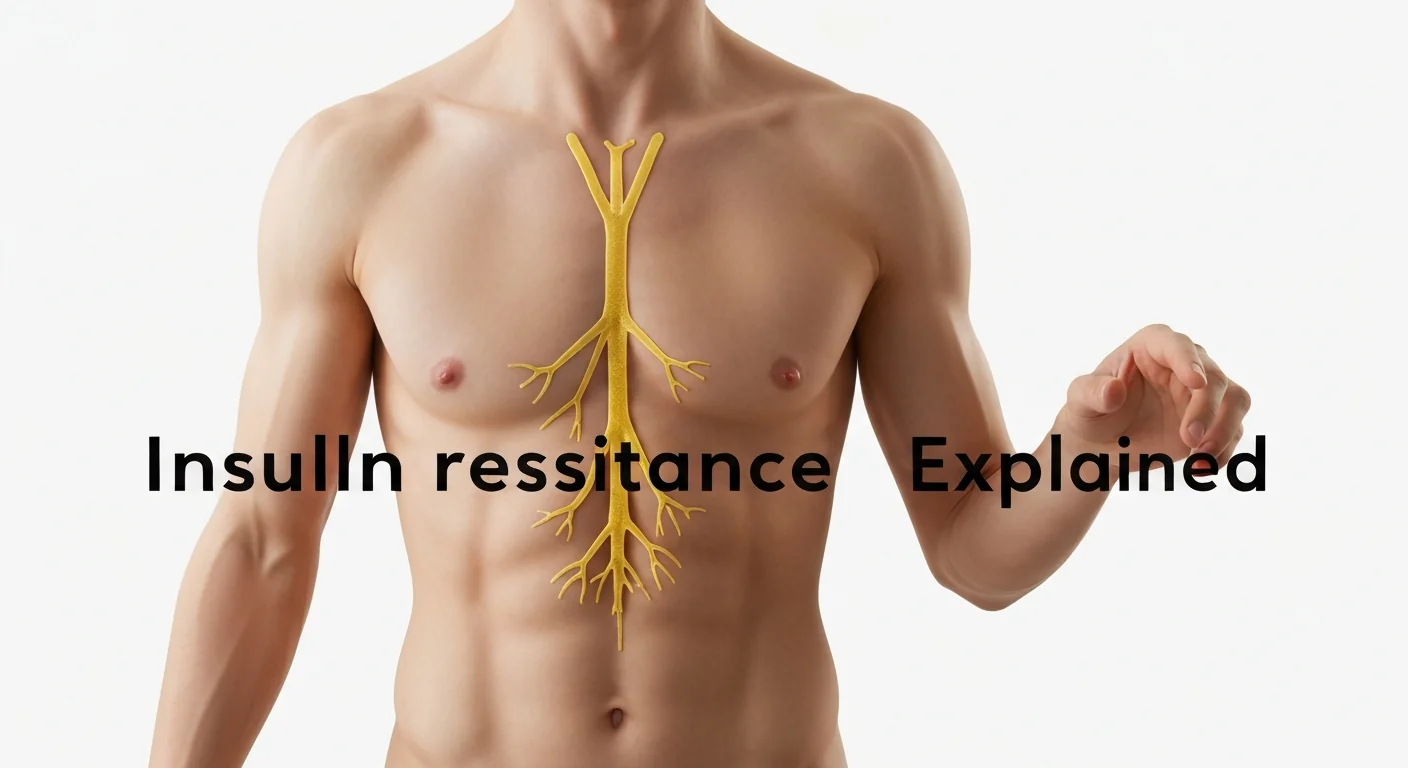
Insulin is the key that unlocks muscle and fat cells to allow glucose to enter. In insulin-resistant individuals, the lock has become stiff - cells respond poorly to the key. The pancreas compensates by producing more insulin, maintaining normal blood glucose for years. Eventually, when the pancreas can no longer compensate, blood glucose rises and type 2 diabetes is diagnosed.
The critical insight: significant insulin resistance can exist for 10-15 years before blood glucose rises enough to trigger a diagnosis. During this time, elevated insulin itself causes harm: driving fat storage, inflammation, endothelial dysfunction, and cell proliferation.
What Drives Insulin Resistance
- Excess ectopic fat: Fat stored within muscle cells (intramyocellular lipid) and the liver directly impairs insulin signalling. Visceral fat (around organs) is particularly problematic.
- Sedentary muscle: Muscle contraction is insulin-independent glucose uptake. A sedentary person relies entirely on insulin-dependent uptake; an active person moves glucose without insulin during exercise.
- Chronic fructose excess: Fructose is metabolised primarily by the liver and, in excess, drives hepatic fat accumulation and de novo lipogenesis.
- Sleep deprivation: A single week of restricted sleep shifts glucose metabolism toward insulin resistance, even in healthy individuals.
"Insulin resistance is not primarily a sugar problem. It is a fat-in-muscle-and-liver problem - and almost everything that creates that can be addressed with lifestyle." - Dr. Gerald Shulman, Yale
How to Reverse Insulin Resistance
| Intervention | Effect on insulin sensitivity | Timeline |
|---|---|---|
| Resistance training | Increases GLUT4 transporters in muscle | 2-4 weeks |
| Aerobic exercise | Reduces ectopic fat, improves mitochondrial function | 4-8 weeks |
| Caloric deficit / weight loss | Directly reduces intramyocellular and hepatic fat | 4-12 weeks |
| Dietary fibre increase | Slows glucose absorption, feeds butyrate-producing bacteria | 4-8 weeks |
| Sleep restoration | Reverses acute sleep-induced insulin resistance | Days to weeks |
Insulin Resistance in Practice
Get a fasting insulin test alongside your standard glucose test - this identifies insulin resistance before glucose rises into the diabetic range. A fasting insulin above 8-10 uIU/mL with normal glucose suggests early insulin resistance. The single most impactful intervention for most people: add resistance training twice per week and replace refined carbohydrates with fibre-rich whole food alternatives.