How your body regulates blood sugar
Glucose management underlies energy, mood, weight, and long-term disease risk. Understanding how it works is the foundation of metabolic health.

The Glucose-Insulin Cycle
When you eat carbohydrates, they are broken down to glucose and absorbed into the bloodstream. Rising blood glucose triggers the pancreas to release insulin — the hormone that signals cells to absorb glucose for energy or storage. Once glucose is absorbed, blood levels return toward baseline and insulin falls.
This cycle is elegantly designed for an environment of periodic eating and physical activity. The modern problem: chronically elevated blood glucose and insulin from continuous eating, high-carbohydrate diets, sedentariness, and poor sleep overwhelm this system.
What Blood Sugar Numbers Mean
- Normal fasting glucose: below 100 mg/dL
- Prediabetes: 100–125 mg/dL fasting (or HbA1c 5.7–6.4%)
- Type 2 diabetes: 126 mg/dL or above (or HbA1c 6.5%+)
- Post-meal (2-hour) glucose: below 140 mg/dL is normal; 140–199 is prediabetic range
HbA1c reflects average blood glucose over the preceding 3 months and is a more reliable indicator of long-term glucose management than a single fasting reading.
Insulin Resistance: The Root Problem
In insulin resistance, cells become less responsive to insulin's signal, requiring the pancreas to produce progressively more insulin to achieve the same effect. This compensatory hyperinsulinaemia is the central feature of metabolic syndrome and precedes type 2 diabetes by years or decades.
Insulin resistance develops through a combination of:
- Ectopic fat accumulation (particularly in the liver and muscle)
- Chronic low-grade inflammation (elevated TNF-alpha and IL-6 impair insulin signalling)
- Mitochondrial dysfunction reducing cellular energy efficiency
- Physical inactivity — muscle is the primary site of glucose disposal, and inactive muscle loses insulin sensitivity
The Glucose Spike Pattern
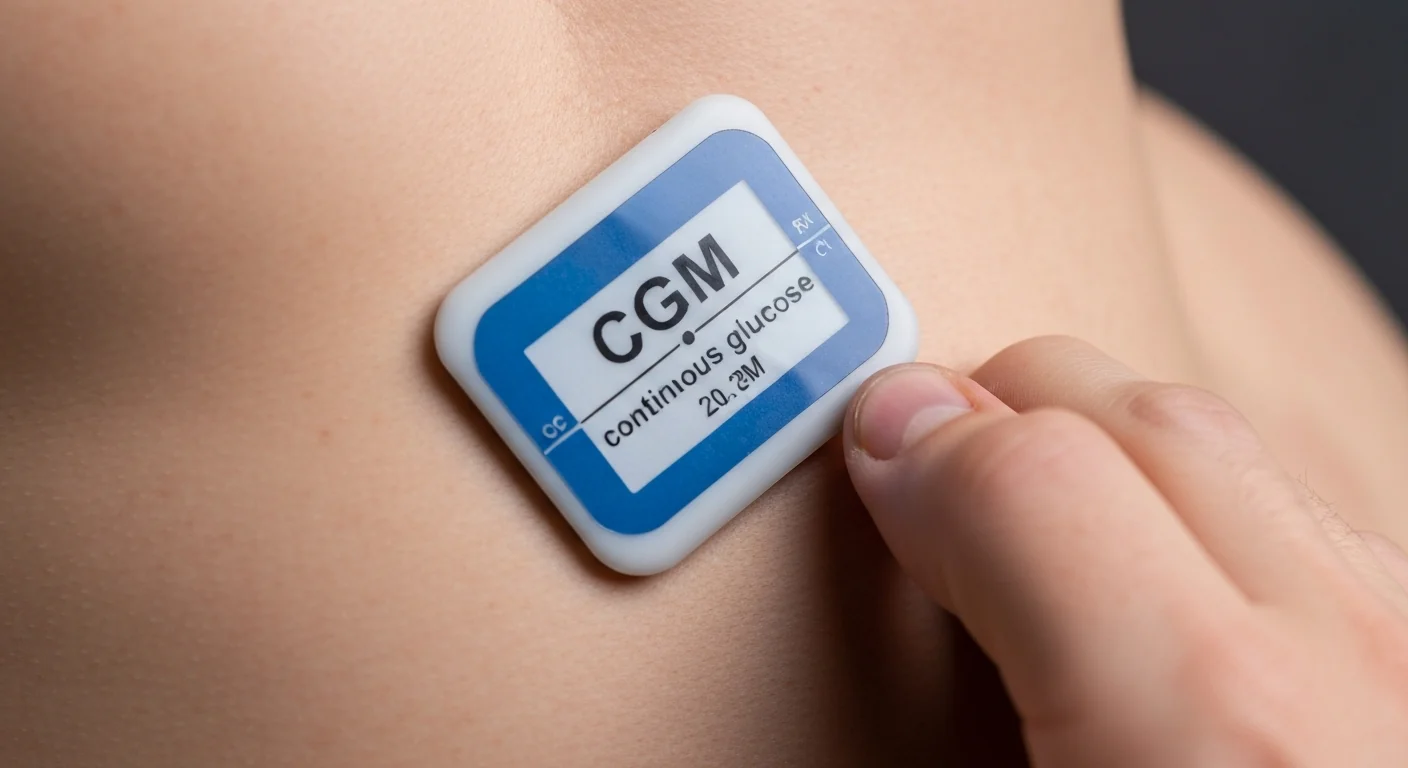
Continuous glucose monitoring (CGM) research has revealed large inter-individual variation in post-meal glucose responses to the same foods. A 2015 study by Zeevi et al. in Cell (the "Weizmann study") found that identical meals produced markedly different glucose responses in different people, driven by gut microbiome composition, genetics, and lifestyle factors. This challenges the notion of universal glycaemic index tables.
How to Improve Glucose Regulation
Exercise — the most powerful lever
Muscle contraction drives glucose uptake independent of insulin via GLUT4 transporter translocation. Even a 10-minute walk after meals blunts post-meal glucose spikes significantly. Resistance training increases muscle mass (the primary glucose-disposal site) and improves insulin sensitivity for 24–48 hours post-session.
Food order and meal composition
A 2022 study in Diabetes Care found that eating vegetables and protein before carbohydrates (rather than all together) reduced the peak glucose response by 38% and improved insulin response. Including fat, protein, and fibre with carbohydrates consistently blunts the glycaemic response.
Sleep
One night of partial sleep deprivation (4 hours) reduces insulin sensitivity by 25% in healthy adults. Chronic sleep restriction is independently associated with elevated HbA1c.
Stress management
Cortisol raises blood glucose through gluconeogenesis (glucose production from non-carbohydrate sources) and reduces insulin sensitivity. Chronic psychological stress is an underappreciated driver of glucose dysregulation.