Fermented Foods and Gut Health: What the Research Actually Shows
Fermented foods have been consumed for millennia, but only recently have we understood why they matter for the microbiome. The evidence is surprisingly strong.
Microbiome, digestion, and gut-brain axis.
Fermented foods have been consumed for millennia, but only recently have we understood why they matter for the microbiome. The evidence is surprisingly strong.
The gut and brain communicate continuously via the vagus nerve, immune signals, and microbial metabolites. This axis may be central to mood, cognition, and stress response.
What the microbiome actually is, why it matters for immunity and mood, and the dietary changes with the strongest evidence.
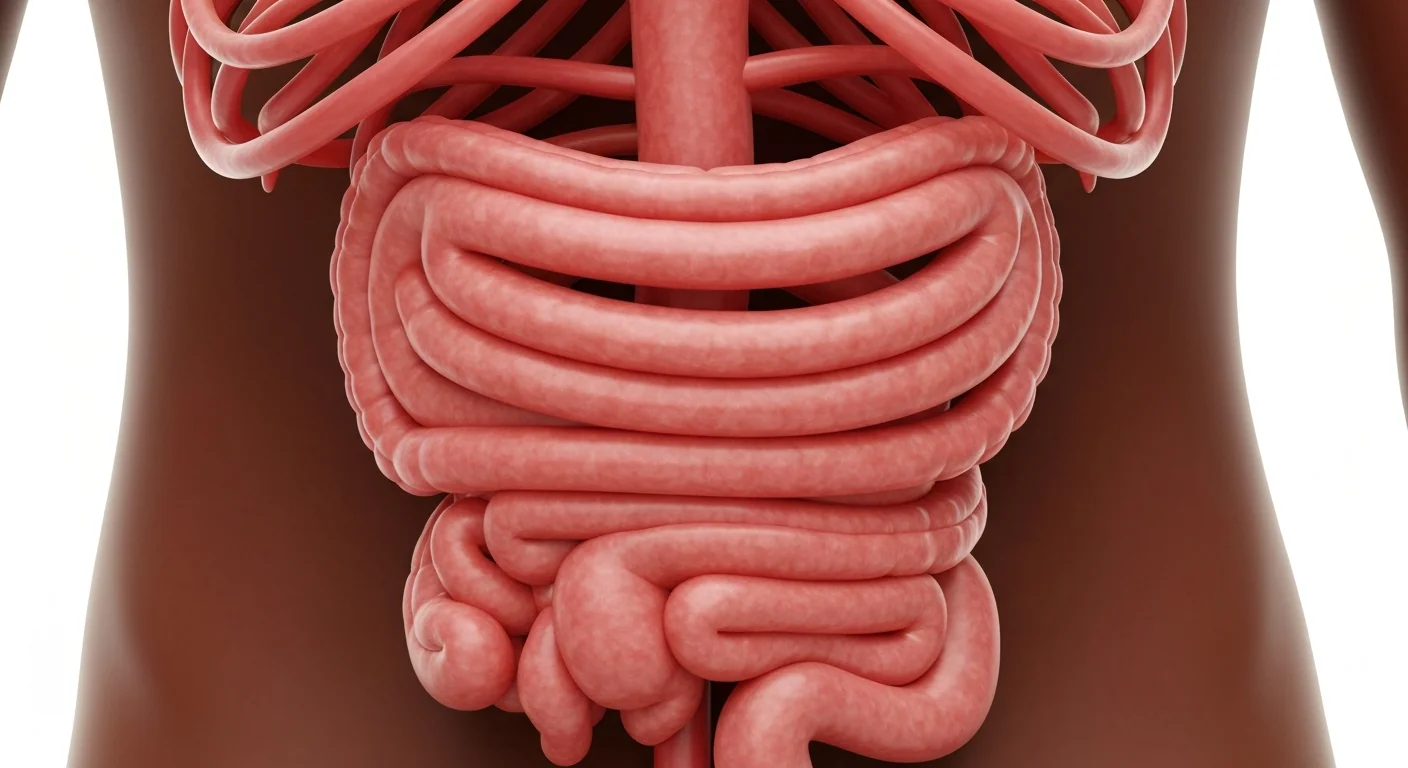
Gut motility - the muscle contractions that move food through the digestive tract - affects everything from nutrient absorption to microbiome composition. Understanding it explains a wide range of common digestive complaints.
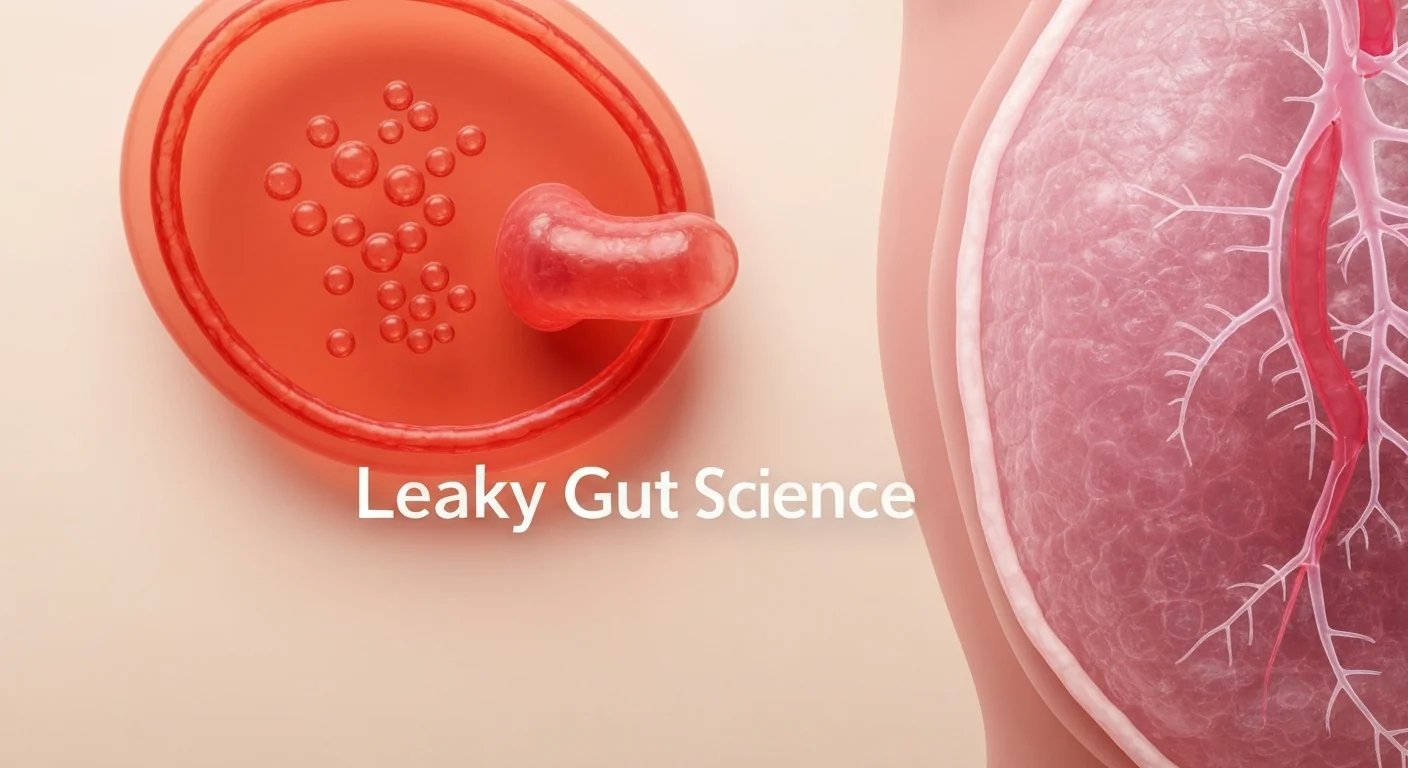
"Leaky gut" is simultaneously a real and measurable physiological phenomenon and a marketing term used to sell unproven treatments. Here is how to separate the science from the noise.
Probiotic supplements are a multi-billion-dollar industry. The evidence for specific strains in specific conditions is stronger than people realise - but so is the evidence that most people are buying the wrong product for the wrong reason.
Home gut microbiome tests are widely marketed. Here is an honest assessment of what the results mean - and their significant limitations.
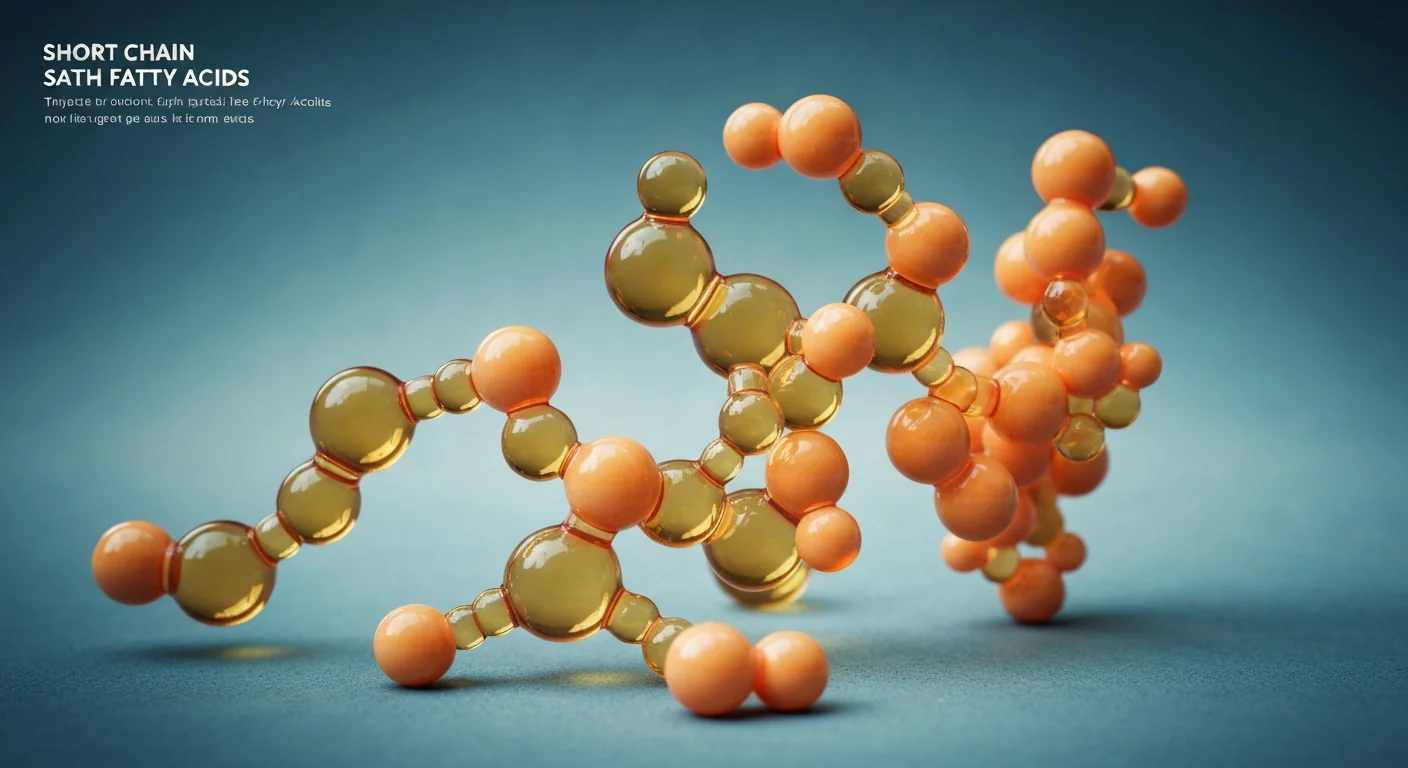
When gut bacteria ferment dietary fibre, they produce short-chain fatty acids - molecules with wide-ranging effects on gut integrity, immune function, and systemic health.