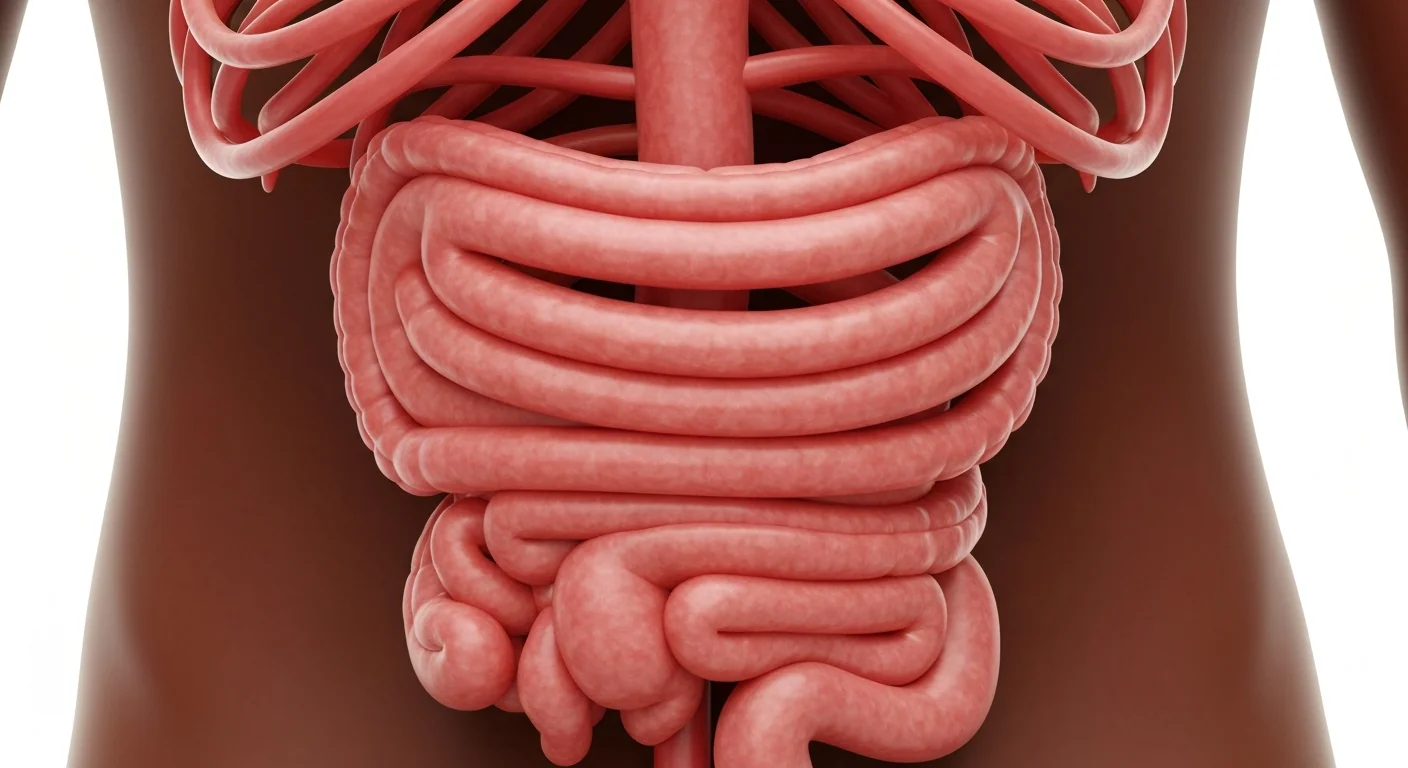
Intestinal permeability and the leaky gut claims
"Leaky gut" is simultaneously a real and measurable physiological phenomenon and a marketing term used to sell unproven treatments. Here is how to separate the science from the noise.
The Real Phenomenon
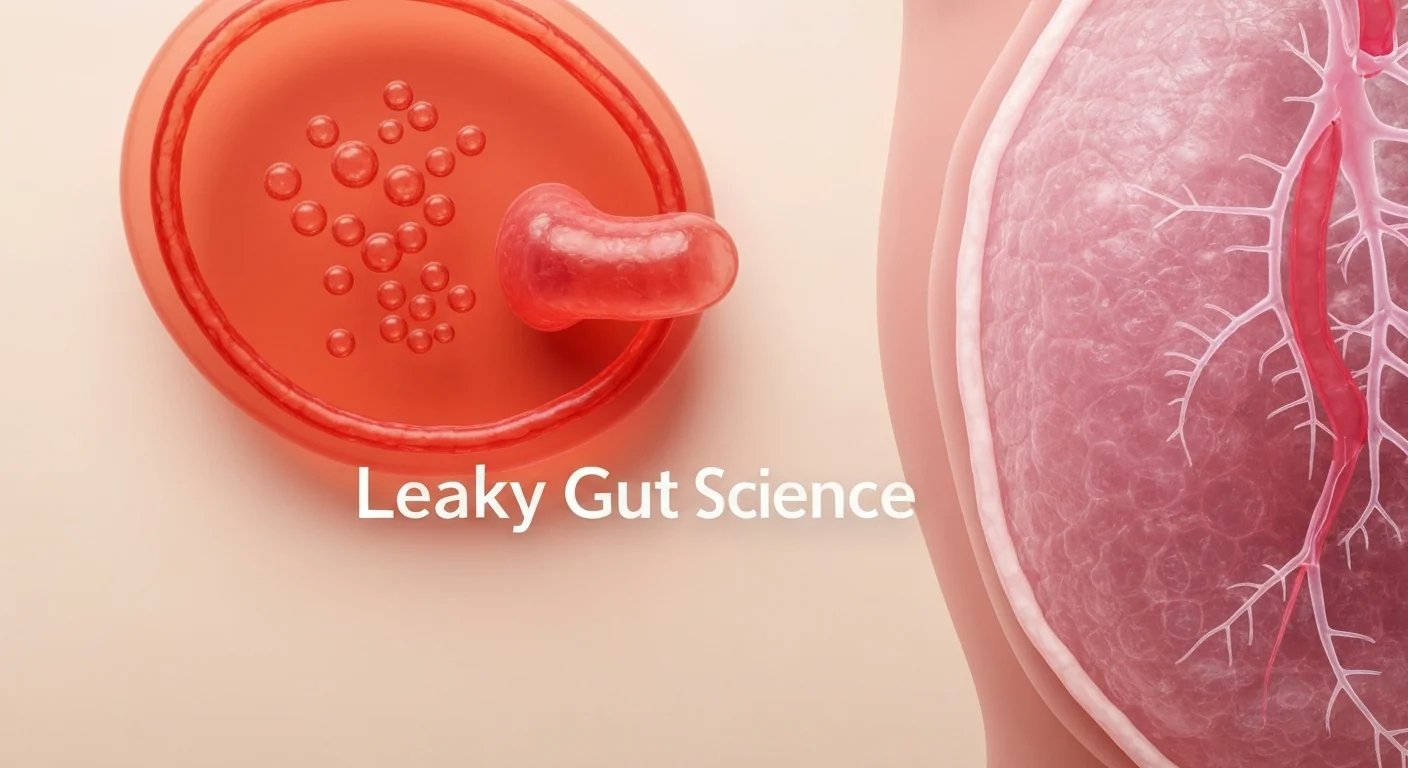
Intestinal permeability is real and measurable. The gut lining is a single layer of epithelial cells connected by tight junction proteins - occludin, claudins, zonulin. These junctions control what crosses from the gut lumen into circulation. When tight junction integrity is compromised, larger molecules - including bacterial fragments like lipopolysaccharide (LPS) - can pass into the bloodstream, triggering inflammatory responses.
Elevated intestinal permeability has been documented in coeliac disease, inflammatory bowel disease, type 1 diabetes, and some cases of IBS. It is a real biological measurement with clinical relevance in specific conditions.
Where the Evidence Stops
The leap from "intestinal permeability exists and is elevated in some diseases" to "leaky gut causes or mediates most chronic illnesses including autoimmune conditions, mental health disorders, and fatigue" is not supported by current evidence. The wellness industry has extrapolated far beyond what the science supports.
"Intestinal permeability is a real and important concept in gastroenterology. The commercial 'leaky gut' narrative has taken a legitimate scientific observation and run far beyond the evidence." - Professor Alessio Fasano, Harvard Medical School
What Is Known to Affect Gut Barrier Integrity
- Diet: Emulsifiers (carboxymethylcellulose, polysorbate 80) disrupt tight junctions in animal studies. Dietary fibre and fermented foods support barrier integrity through SCFA production (butyrate is the primary fuel for colonocytes).
- Alcohol: High-dose alcohol reliably increases intestinal permeability - one of the clearer dietary effects.
- Stress: Psychological stress increases gut permeability through CRF (corticotropin-releasing factor) and mast cell activation.
- NSAIDs: Long-term NSAID use damages the gut lining and measurably increases permeability.
Intestinal Permeability in Practice
Support gut barrier integrity through evidence-based means: adequate dietary fibre (particularly butyrate-producing foods like legumes and oats), fermented foods, stress management, limiting alcohol, and avoiding long-term NSAID use unless medically required. Skip the "leaky gut protocols" sold online - the supplements marketed for this purpose have minimal evidence, and the dietary fundamentals above have far stronger support.