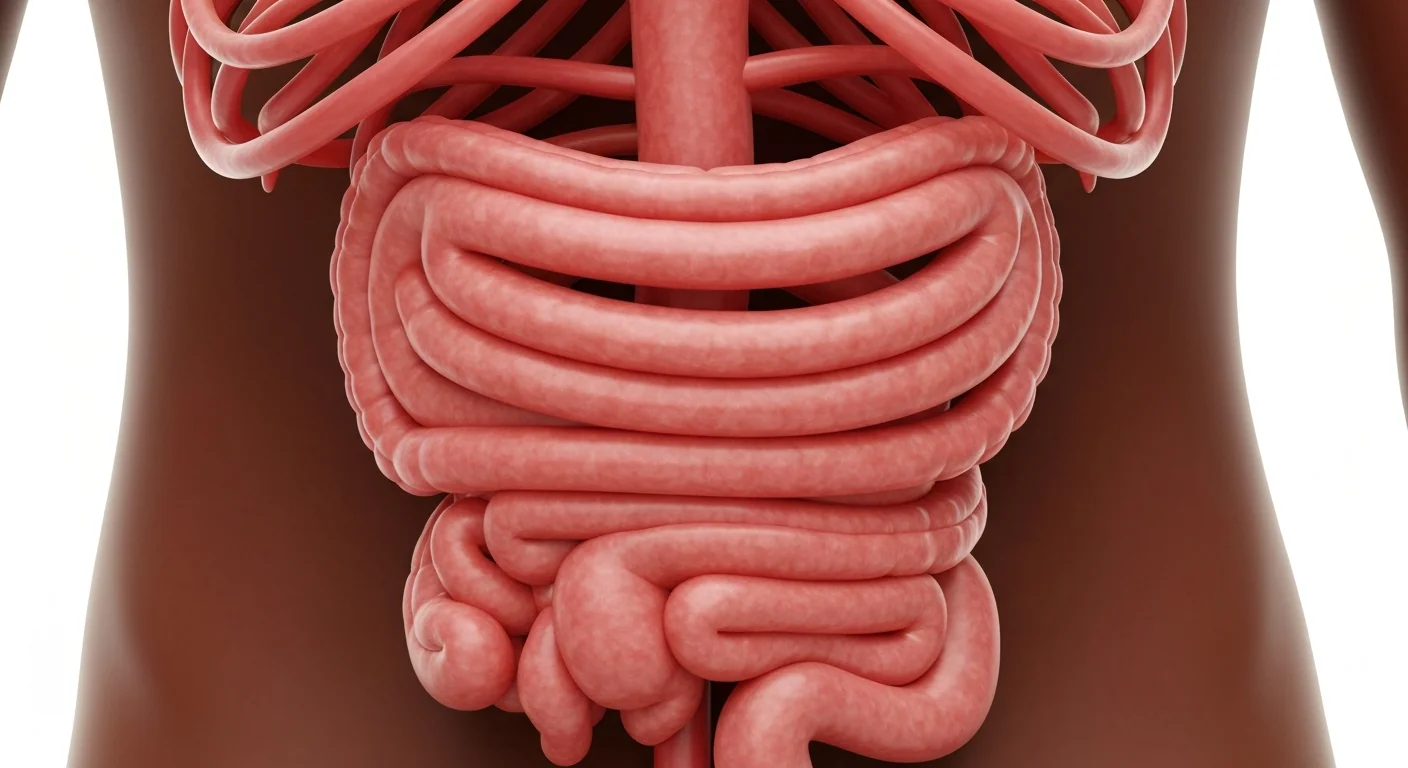
How gut bacteria make short-chain fatty acids
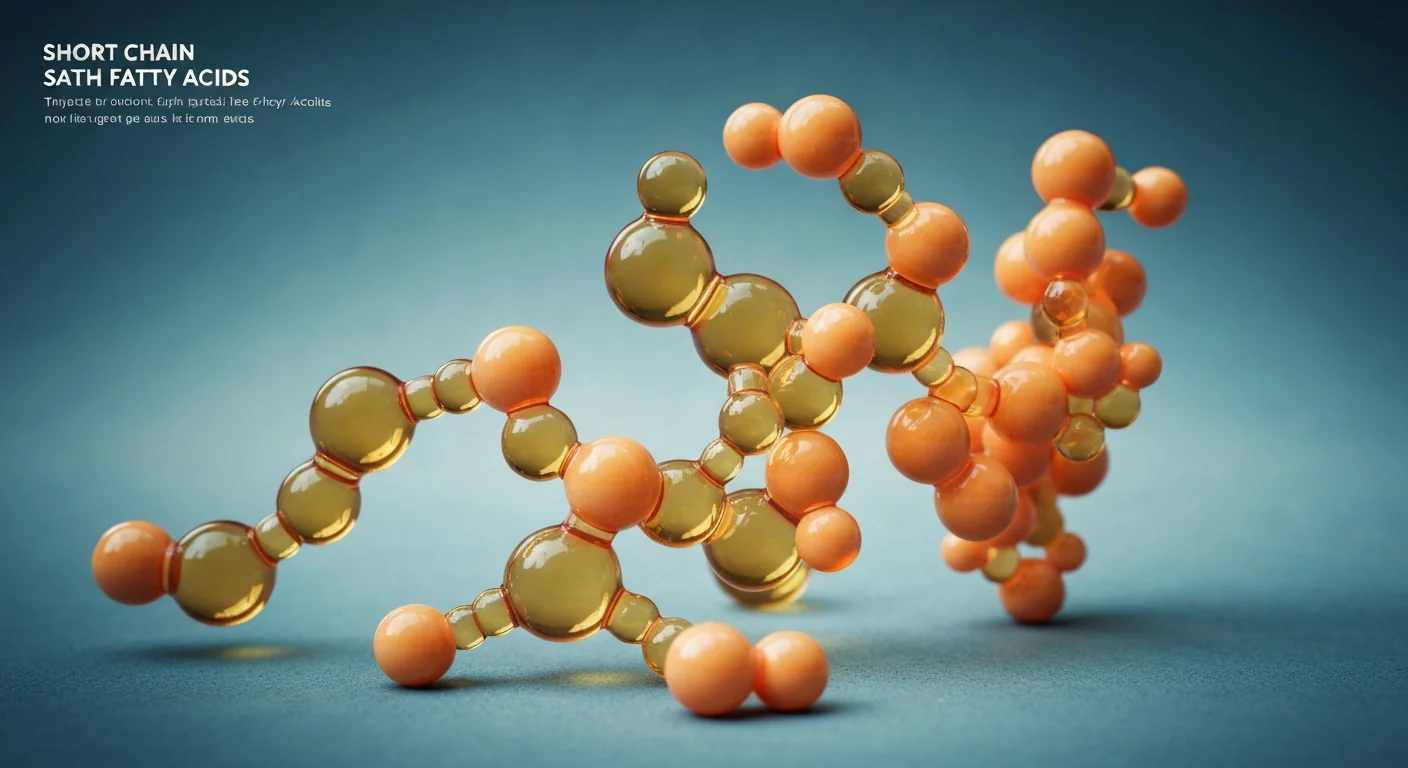
When gut bacteria ferment dietary fibre, they produce short-chain fatty acids - molecules with wide-ranging effects on gut integrity, immune function, and systemic health.
Beyond Digestion
The gut microbiome is often discussed in terms of digestion and absorption. But one of its most important functions is metabolic: the production of short-chain fatty acids (SCFAs) through the fermentation of dietary fibre. The primary SCFAs - butyrate, propionate, and acetate - are not merely waste products. They are signalling molecules with profound effects across multiple organ systems.
The Three Main SCFAs
- Butyrate: The primary energy source for colonocytes (colon cells). Maintains gut barrier integrity, has anti-inflammatory properties, and suppresses colorectal cancer cell growth in vitro. Also crosses the blood-brain barrier.
- Propionate: Transported to the liver, where it suppresses cholesterol synthesis and gluconeogenesis. Activates gut-brain satiety signalling through specific receptors.
- Acetate: The most abundant SCFA. Circulates systemically, enters the brain, and regulates energy metabolism and appetite through hypothalamic receptors.
"Butyrate may be the most important molecule in gut health that most people have never heard of. It is the primary fuel for colon cells and a powerful anti-inflammatory signal." - Professor Justin Sonnenburg, Stanford
SCFA Production and the Fibre Link
SCFAs are produced almost entirely by bacterial fermentation of non-digestible carbohydrates (dietary fibre). The primary SCFA-producing bacteria - Bifidobacterium, Faecalibacterium prausnitzii, Roseburia, and Akkermansia - require specific prebiotic fibres to thrive. Without dietary fibre, these bacteria decline, SCFA production falls, and the gut lining becomes vulnerable.
How to Support SCFA Production
| Food | Primary bacteria fed | SCFA produced |
|---|---|---|
| Oats, barley (beta-glucan) | Lactobacillus, Bifidobacterium | Butyrate, acetate |
| Legumes (resistant starch) | Roseburia, Faecalibacterium | Butyrate |
| Garlic, onion (inulin) | Bifidobacterium | Acetate, propionate |
| Cooked and cooled potato/rice | Wide range | Butyrate |
SCFAs in Practice
You cannot supplement your way to good SCFA production - the bacteria need to make them from fibre. The most direct route is consistent, diverse fibre intake: legumes daily, whole grains, plenty of vegetables, and fermented foods that support the producing bacteria. This is a better investment than any probiotic supplement for most people.