How gut motility moves food through digestion
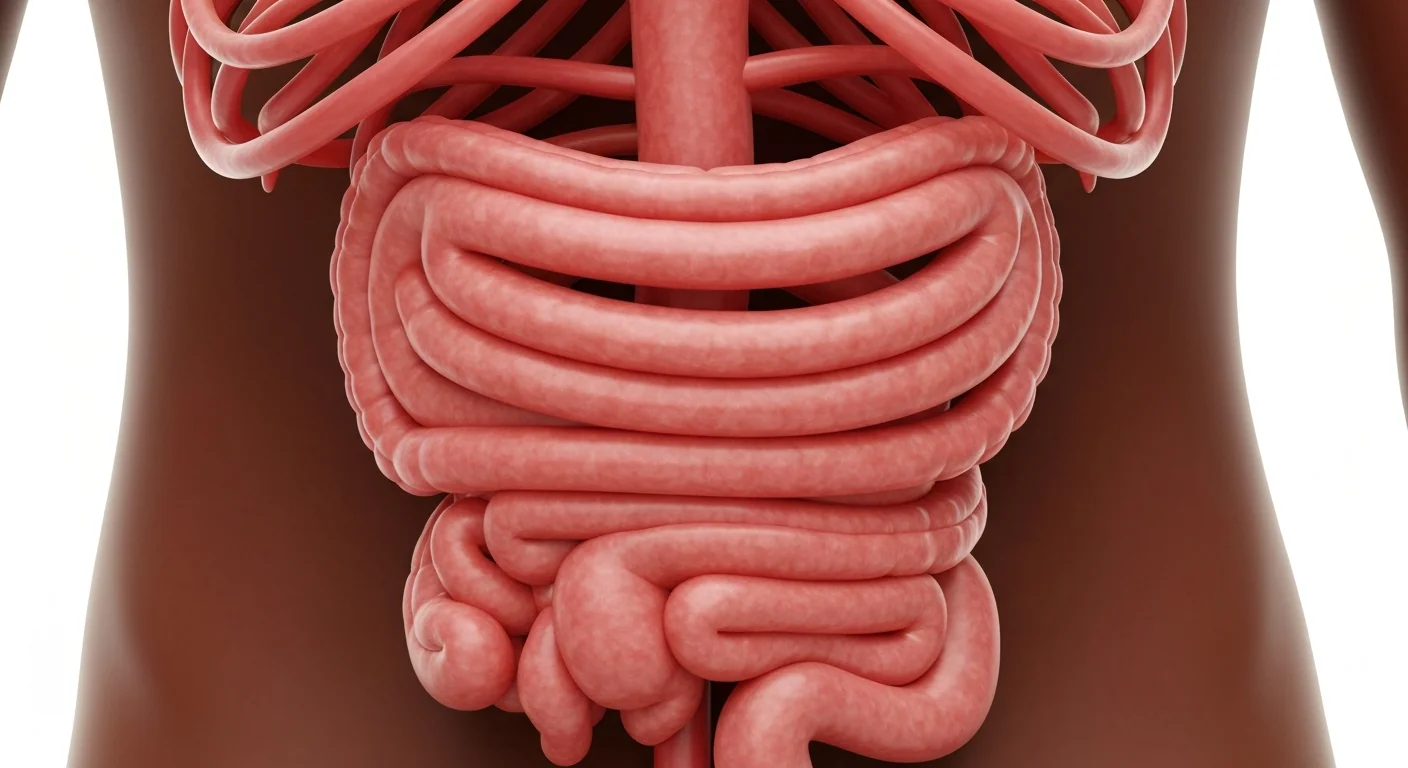
Gut motility - the muscle contractions that move food through the digestive tract - affects everything from nutrient absorption to microbiome composition. Understanding it explains a wide range of common digestive complaints.
The Migrating Motor Complex
Between meals, the gut runs a housekeeping programme called the Migrating Motor Complex (MMC) - a wave of contractions that sweeps residual food, bacteria, and debris from the small intestine into the large intestine. This cycle runs approximately every 90-120 minutes during fasting and is critical for preventing bacterial overgrowth in the small intestine (SIBO).
The MMC is suppressed during eating and for several hours after a large meal. This is why frequent snacking can interfere with gut housekeeping - and why a gap of 4-5 hours between meals is generally beneficial for digestive health.
What Controls Gut Motility
Gut motility is regulated by the enteric nervous system (the "second brain"), the vagus nerve, gut hormones, and the microbiome itself. The key mediators include:
- Serotonin: 95% of the body's serotonin is in the gut, where it triggers peristaltic reflexes. Both too much (diarrhoea) and too little (constipation) serotonin can affect motility.
- Motilin: The hormone that triggers MMC contractions. Released in a fasted state; suppressed by eating.
- Stress hormones: Cortisol and adrenaline suppress gut motility (fight-or-flight prioritises skeletal muscle over digestion) while also stimulating colonic emptying - explaining the classic stress-IBS pattern.
"Your gut has its own nervous system of 500 million neurons. It does not just respond to the brain - it actively communicates back, influencing mood, stress response, and cognition." - Professor Emeran Mayer, UCLA
Common Motility Problems and Their Causes
| Issue | Common causes |
|---|---|
| Slow transit (constipation) | Low fibre, low water, sedentary lifestyle, hypothyroidism, opioid medications |
| Fast transit (diarrhoea) | IBS-D, infection, anxiety, certain foods, bile acid malabsorption |
| SIBO | Disrupted MMC, low stomach acid, motility disorders |
| Bloating and distension | SIBO, dysbiosis, fermentation of poorly digested carbohydrates |
Gut Motility in Practice
Support healthy motility by: eating adequate fibre (25-38g/day), staying well-hydrated, regular physical activity (even walking increases gut transit speed), managing stress through the vagus nerve (breathwork, yoga, cold exposure), and allowing 4-5 hour gaps between meals to permit MMC cycles. These are the foundational interventions before any testing or treatment is warranted.