Meal prep shortcuts that save time
The Real Time Cost of Not Preparing
The average person makes over 200 food decisions per day, many of them in the moments before eating when hunger is highest and decision quality is lowest. Unplanned meals don't just cost money (restaurant food costs 3-5x home cooking); they also deplete the decision energy available for other choices. Meal prep is not primarily about nutrition -- it is about reducing daily decision load.
The Highest-Return Strategies
Parallel cooking: use all available oven space simultaneously. If one dish is roasting at 200 degrees, add two others that work at similar temperatures. Active time does not increase; output triples.
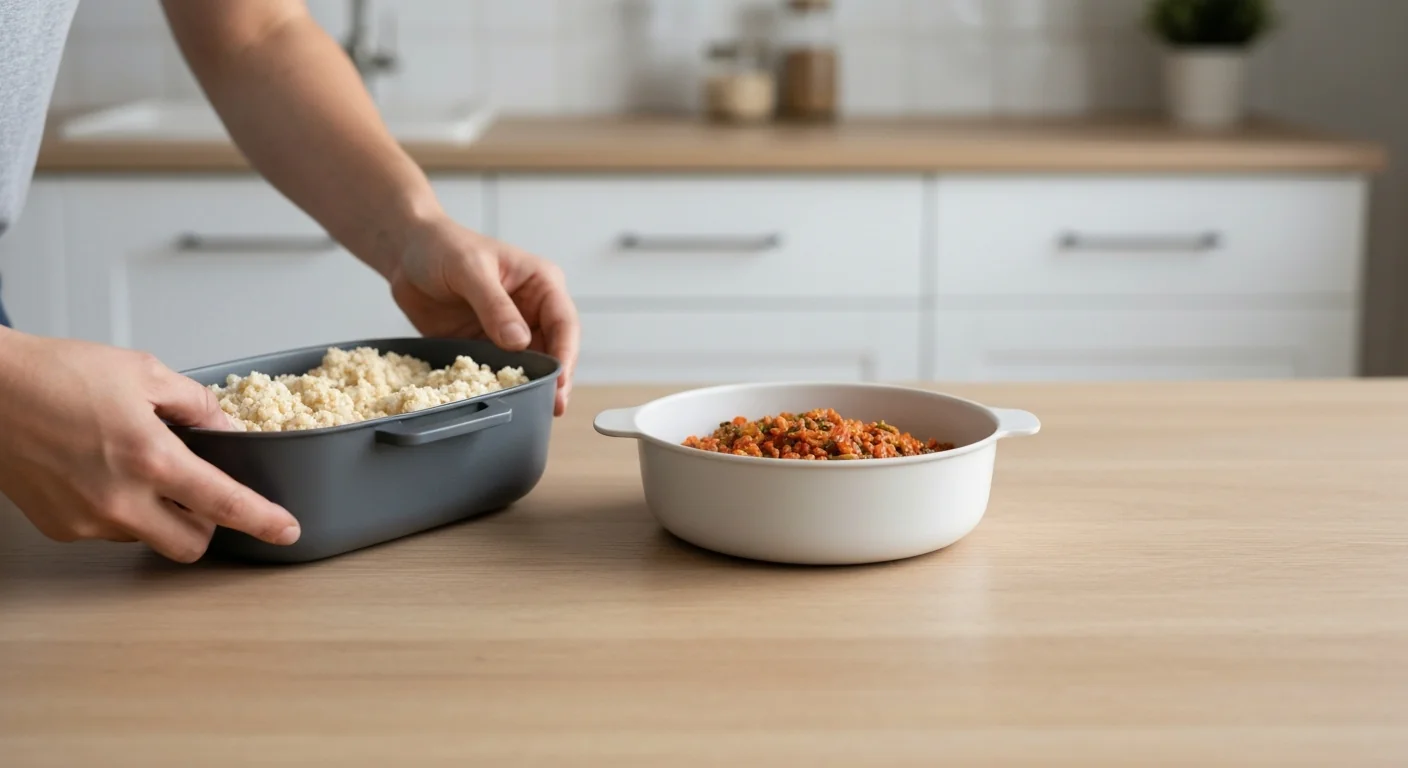
Double or triple batching: any time you cook a dish, make two or three times the recipe. Freezes well for 80% of cooked foods. One hour of cooking produces three weeks of one meal rather than one.
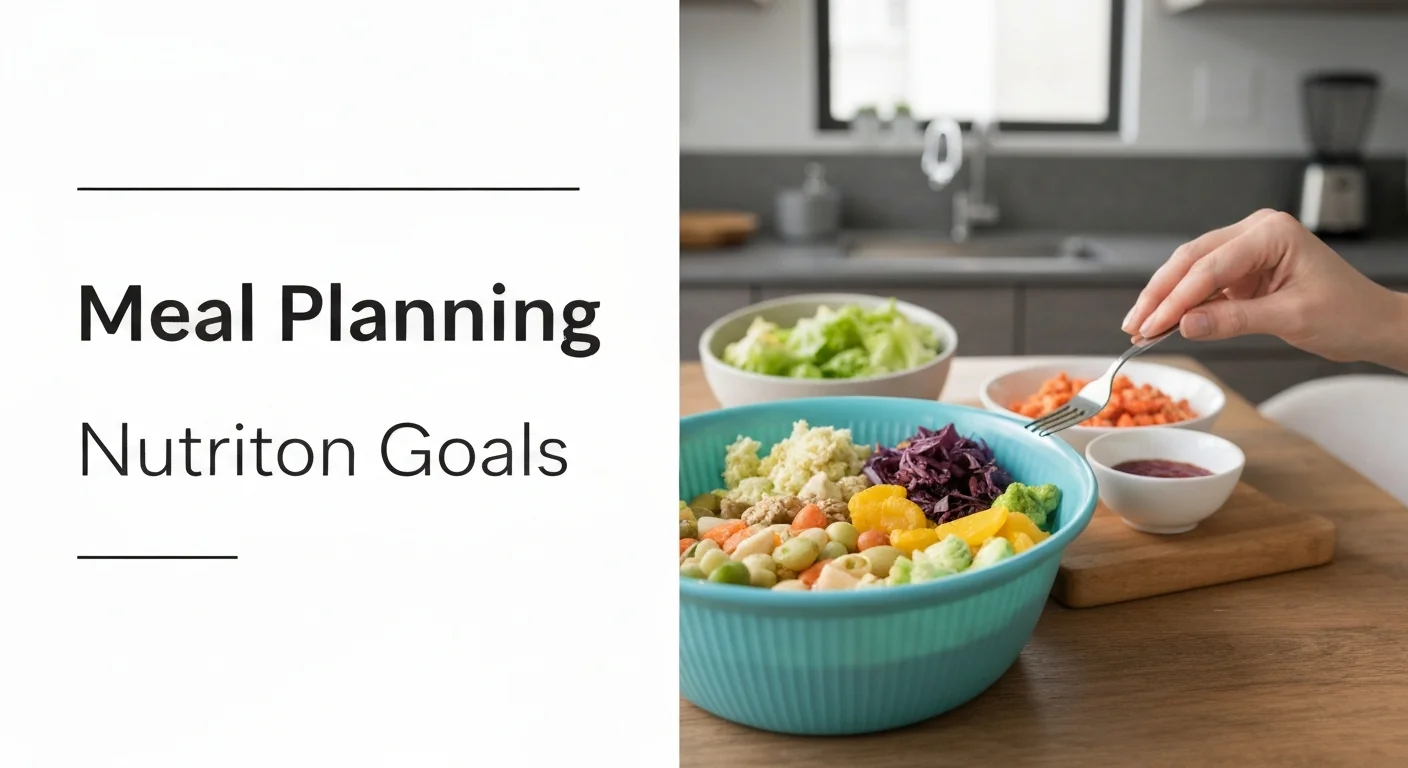
Mise en place for the week: spend 15 minutes on Sunday washing, chopping, and portioning vegetables. The prep is done; assembly during the week is a two-minute task.
The Tools That Actually Save Time
- A pressure cooker or slow cooker: hands-off cooking that converts cheap ingredients into meals with near-zero active time
- Sheet pans: the most versatile cooking tool for batch roasting and minimal clean-up
- Glass containers with lids: visibility drives consumption; opaque containers result in forgotten food
Strategies That Actually Work in Practice
Audit your weekly food decisions: when are you most likely to make a poor food choice out of convenience? Target your meal prep at that specific window. You do not need a comprehensive system -- you need one intervention at the highest-impact point.