Meal prep built around protein to keep you full
Why Protein Should Lead Meal Planning
Protein has the highest satiety index of any macronutrient -- it produces the strongest suppression of appetite per calorie. Meals built around an adequate protein source are less likely to trigger subsequent hunger and snacking. For meal prep specifically, preparing protein sources first and building the rest of the meal around them produces better nutritional outcomes with minimal additional effort.
The Satiety Hierarchy
Research by Susanna Holt's satiety index ranks boiled eggs, fish, lean meats, and legumes at the top. Ultra-processed foods, pastries, and croissants at the bottom. The pattern is consistent: whole food protein sources produce disproportionately high satiety relative to their calorie content. Building meals around these foods is a structural nutrition intervention.
Batch Protein Sources by Method
- Roasted chicken thighs or breast: oven-cooked in batches, versatile across multiple meals, four to five day fridge life
- Hard-boiled eggs: five minutes active time, one week fridge life, highest satiety-to-convenience ratio available
- Cooked legumes: dried beans and lentils cook in bulk cheaply; or use tinned as an instant high-protein component
- Greek yoghurt: requires no preparation; high protein and probiotic benefit; pairs with almost any sweet or savoury context
Building Meals Around Satiety in Practice
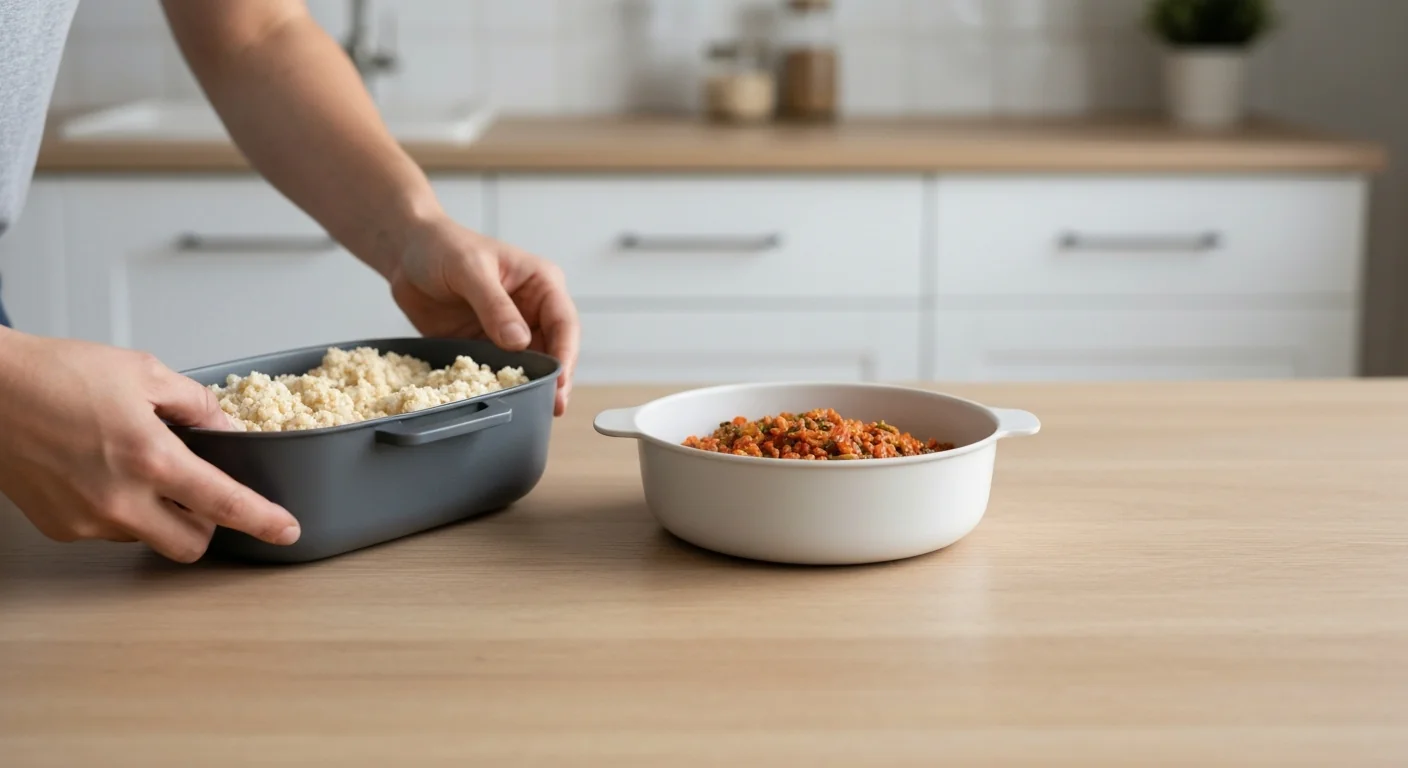
When planning your weekly prep, start with protein: what will be your two or three protein sources this week? Prepare 500-700g of cooked protein per person per day of prep. Build grains and vegetables around it. This simple restructuring -- protein first, everything else second -- consistently improves both nutrition quality and meal satisfaction.
From the Good.You blog: Protein: How Much Do You Actually Need?