Getting started with meal prep
Why Most Meal Prep Fails
The most common meal prep failure is overambition: spending four hours on Sunday preparing twelve different dishes, only to find the routine unsustainable by week two. Effective meal prep starts minimal, establishes the habit before expanding it, and focuses on the highest-value components rather than complete meals.
The Minimum Viable Prep
Three components prepared in advance cover most weekday meal needs with minimal effort:
- A protein source: batch-cooked chicken, hard-boiled eggs, tinned fish, or cooked legumes. 30 minutes covers four to five days.
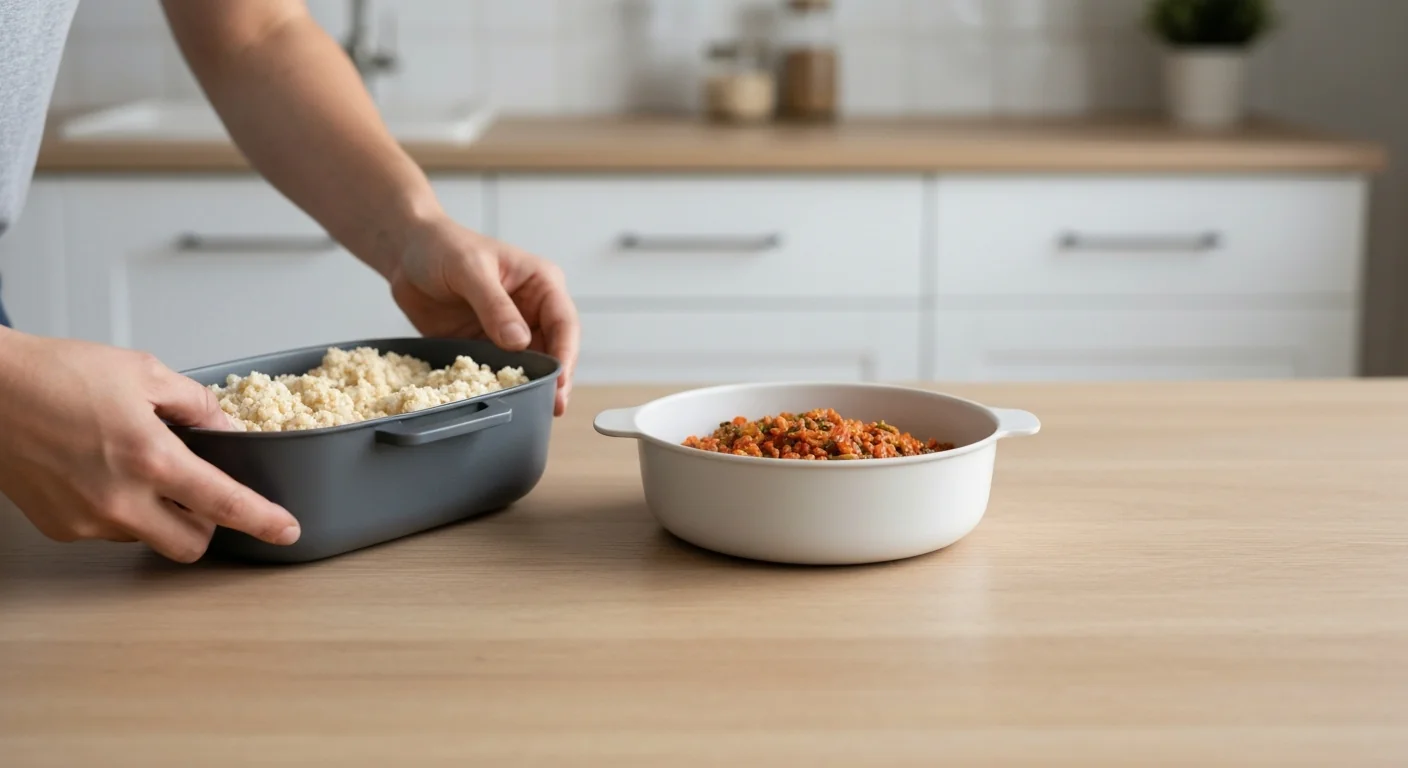
- A grain or complex carbohydrate: rice, quinoa, roasted sweet potato. Cooks with minimal active time.
- Prepared vegetables: washed salad greens, roasted vegetables, or pre-cut raw vegetables. Reduces the decision cost of eating well in the evening.
The Assembly Model
Rather than preparing complete meals, prepare components that can be assembled in different combinations. This reduces food boredom (the primary cause of abandoning home-cooked meals for takeaway) while retaining the efficiency benefit of batch preparation.
Building the Habit
Start with one component and one weekly session. When that is consistent over three to four weeks, add a second component. The system should take no more than 60-90 minutes per week before it is generating meaningful time savings during the week.
Starting Simply and Building Up in Practice
This week: hard-boil eight eggs and cook one batch of rice or grains. That is it. Next week, add one roasted vegetable. In three weeks you will have a functional meal prep system that took ten minutes to establish per component.