The growing evidence against ultra-processed food
Ultra-processed foods now make up over 50% of calories in many Western diets. The research on their health effects has strengthened considerably - and the mechanism is becoming clearer.
The NOVA Classification
The term "ultra-processed" comes from the NOVA food classification system, developed by Brazilian researcher Carlos Monteiro. NOVA groups foods by the extent and purpose of processing, not nutritional content:
- Group 1: Unprocessed/minimally processed (vegetables, fruits, meat, eggs, milk)
- Group 2: Processed culinary ingredients (oils, butter, salt, sugar)
- Group 3: Processed foods (canned vegetables, cheese, cured meats)
- Group 4 (ultra-processed): Industrial formulations containing additives not used in home cooking - emulsifiers, flavour enhancers, modified starches, artificial colours
What the Research Shows
Large prospective cohort studies have consistently associated higher ultra-processed food consumption with:
- All-cause mortality (hazard ratio ~1.14-1.26 per 10% increase in UPF share of diet)
- Cardiovascular disease, type 2 diabetes, and certain cancers
- Depression and anxiety - associations found in multiple independent cohorts
- Obesity - independent of calorie and macronutrient content
"The evidence against ultra-processed foods is now substantial enough to act on, even as the mechanisms are still being established." - Dr. Kevin Hall, NIH
Why Might UPFs Be Harmful? Leading Theories
- Displacement: UPF consumption displaces whole foods, reducing fibre, micronutrients, and phytonutrients.
- Additives: Certain emulsifiers (carboxymethylcellulose, polysorbate 80) disrupted gut microbiome in animal studies; some artificial sweeteners alter glucose metabolism.
- Physical food structure: Processing removes the food matrix that slows digestion - ultra-processed foods are absorbed very quickly, spiking glucose and insulin.
- Hyperpalatability: Engineered flavour combinations override normal satiety signals, leading to overconsumption independent of calorie awareness.
Ultra-Processed Foods in Practice
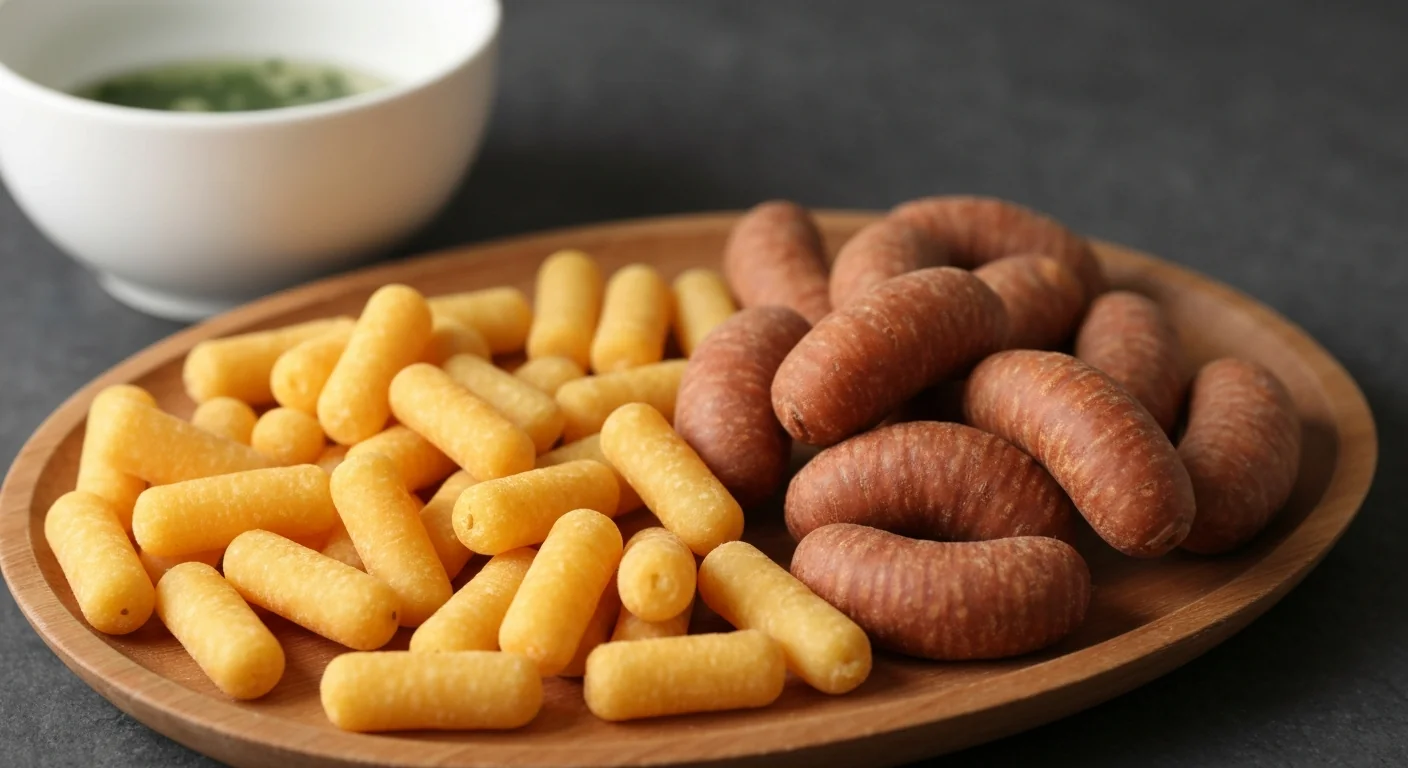
You do not need to eliminate all processed food. The most impactful change is reducing the proportion of ultra-processed food in your diet by replacing the most frequent UPF sources with whole food alternatives. The biggest contributors in most diets: packaged snacks and biscuits, breakfast cereals, sweetened drinks, and ready meals. Replacing these categories alone typically cuts UPF intake by 30-40%.