Setting your home temperature from morning to night

Temperature as a Health Variable
Home temperature is typically managed for comfort, not for health and performance optimisation. The two often align but sometimes diverge significantly. Understanding the temperature conditions that support cognitive performance, sleep quality, and physical wellbeing allows deliberate design rather than default comfort.
Room-by-Room Targets
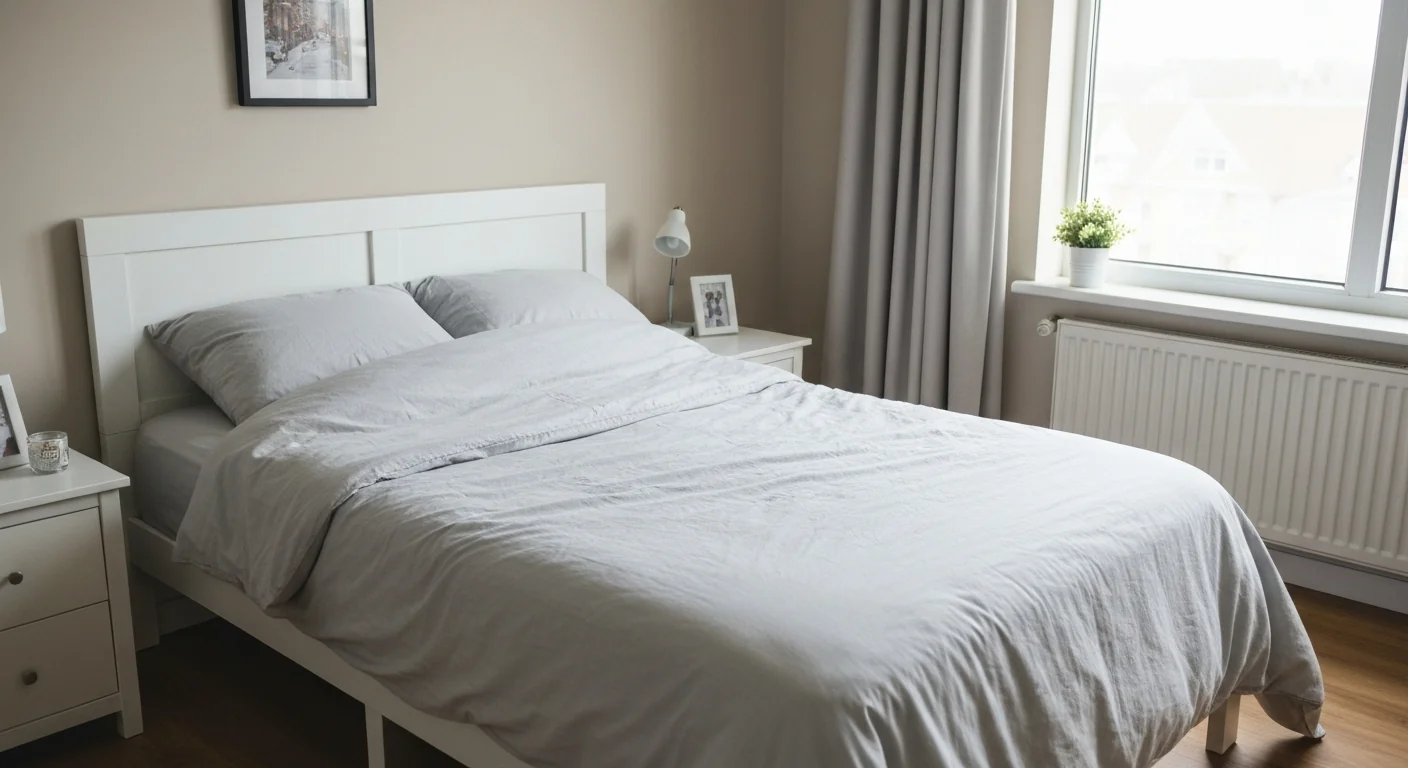
Bedroom (sleep): 16-19 degrees Celsius. Core body temperature must drop 1-2 degrees for sleep onset and deep sleep to occur. A warm bedroom impairs this process. The WHO recommends no higher than 18 degrees for optimal sleep quality.
Home office or study: 20-22 degrees Celsius. Research on cognitive performance shows optimal results in the cooler end of the thermal comfort zone for analytical tasks. Higher temperatures produce measurable performance decline for complex work.
Living areas: 20-23 degrees Celsius. Comfort range that most people find pleasant for relaxation without the cognitive performance sensitivity of work contexts.
Seasonal Considerations
Summer heat waves are a genuine health risk, not merely discomfort. Sustained bedroom temperatures above 25 degrees produce significant sleep disruption, particularly affecting older adults and those with cardiovascular conditions. Air conditioning, electric fans with ice water, or cooling sheets are medical-grade interventions during heat waves, not luxury items.
A Practical Guide in Practice
Start with the bedroom -- this has the highest health return. If your bedroom regularly exceeds 18-19 degrees at night, identify one cooling intervention: blackout curtains during the day, a window fan at night, or bedding with better thermal regulation. The sleep quality improvement is typically immediate.