Recovery Science: How the Body Adapts and What Speeds It Up
Training creates the signal. Recovery creates the adaptation. Understanding recovery is understanding the real mechanism of progress.
Sleep, active recovery, and adaptation science.
Training creates the signal. Recovery creates the adaptation. Understanding recovery is understanding the real mechanism of progress.
Complete rest is not always the optimal recovery strategy. Low-intensity movement on rest days accelerates muscle repair and reduces delayed-onset soreness.
The gym creates the stimulus. Sleep is where the adaptation actually happens. Missing this connection is one of the most common mistakes in any training programme.
Training creates the stimulus. Recovery creates the adaptation. Without adequate recovery, training produces fatigue without fitness.
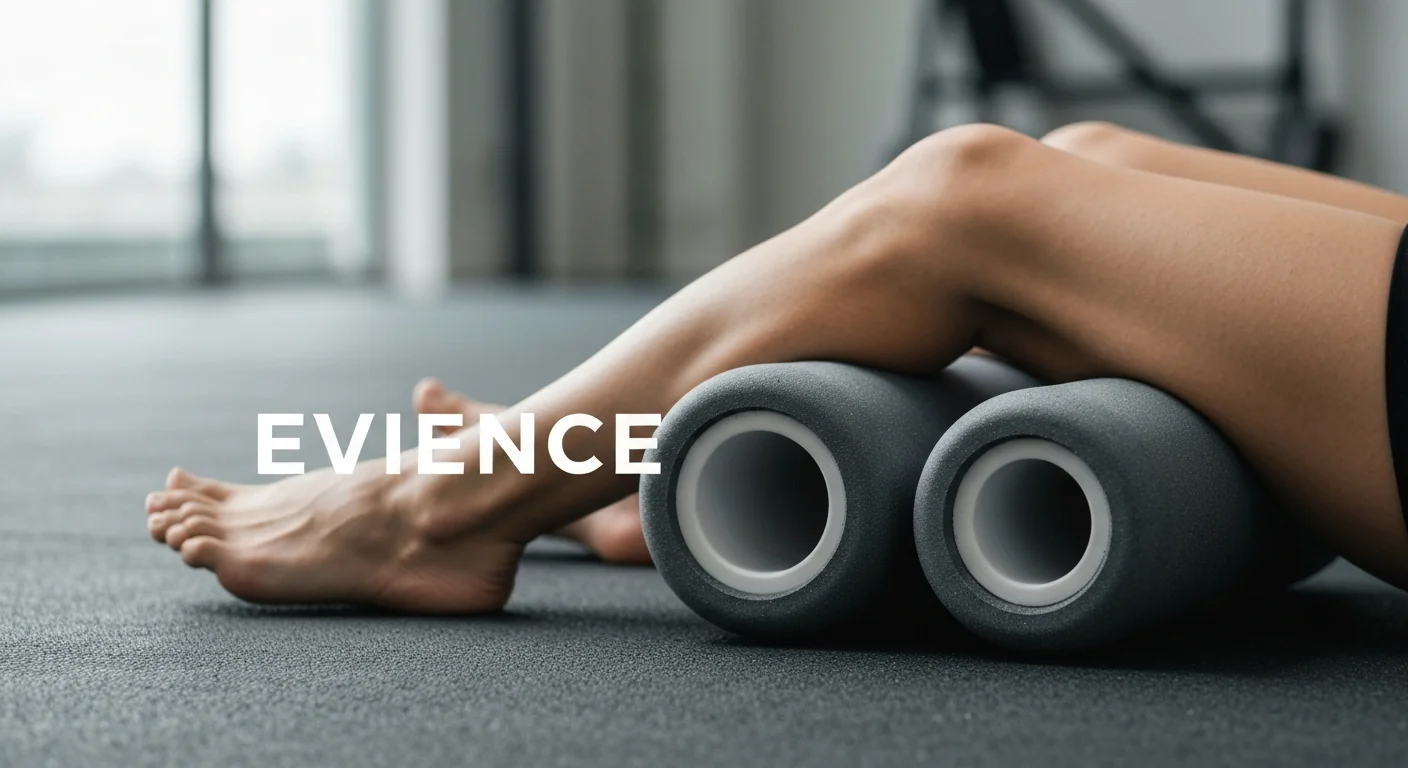
Foam rolling is standard in most gym warm-up and recovery routines. The evidence is more modest than the marketing - but there are specific use cases where it is genuinely helpful.
Overtraining syndrome is a serious condition distinct from normal fatigue. Understanding the difference - and the evidence-based recovery approach - is essential for anyone training consistently.
Recovery during sleep is not uniform across the night. Understanding which sleep stages drive physical repair - and how to get more of them - is crucial for athletes and active individuals.
Total protein intake drives muscle growth, but distributing it evenly across meals maximises muscle protein synthesis. Here is the evidence for protein distribution strategy.
Cold water immersion is widely used by athletes for recovery. The evidence is nuanced - it reduces soreness but may blunt long-term training adaptations.
Heart rate variability is the most actionable objective recovery metric available to athletes and fitness enthusiasts. Here is what it measures and how to use it intelligently.