Does foam rolling work?
Foam rolling is standard in most gym warm-up and recovery routines. The evidence is more modest than the marketing - but there are specific use cases where it is genuinely helpful.
What Foam Rolling Claims to Do
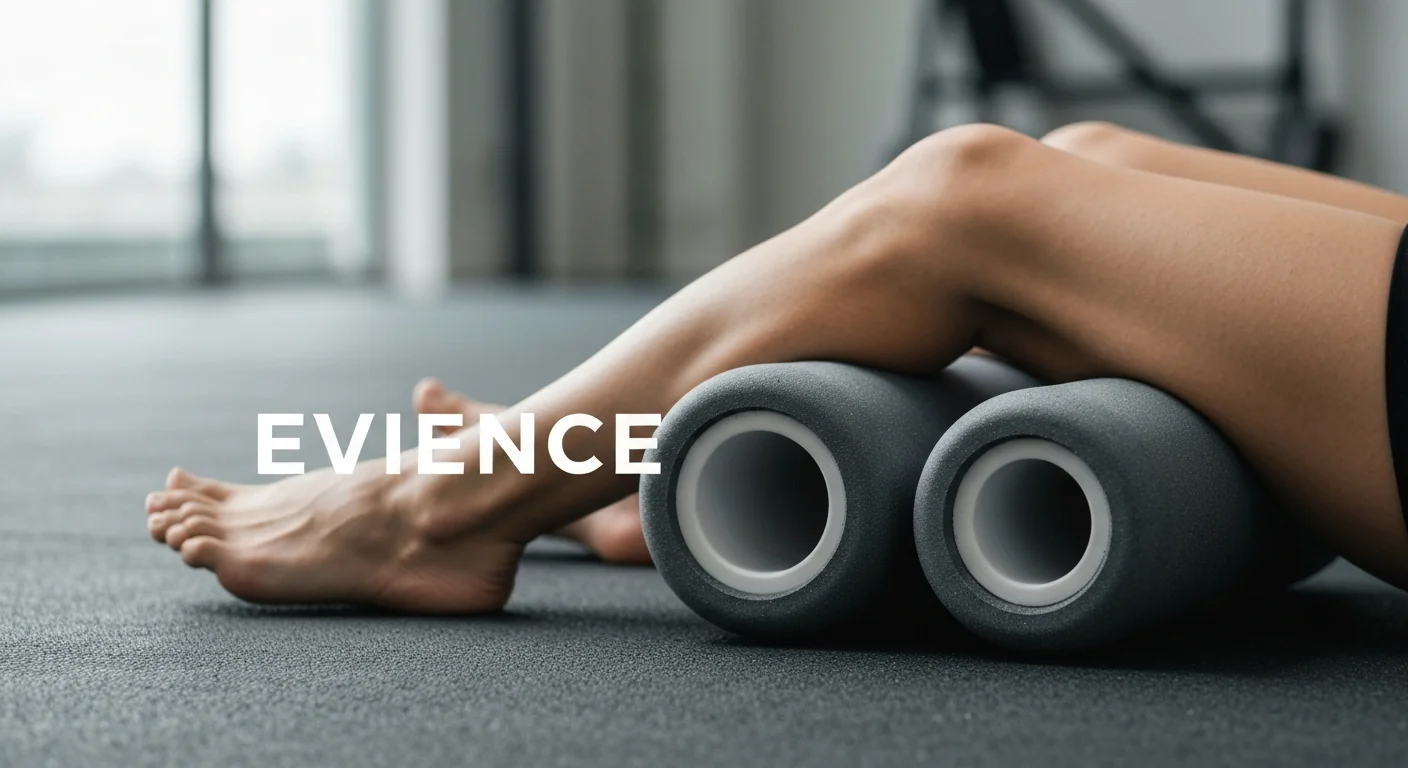
The purported mechanisms of foam rolling include: breaking up fascial adhesions, reducing muscle stiffness, improving blood flow, and accelerating lactate clearance. These mechanisms are frequently cited in training environments and recovery marketing. The evidence for each is variable.
What the Research Actually Shows
- Acute flexibility: Strong evidence. Foam rolling before activity reliably increases range of motion for 10-20 minutes without the performance-decreasing effects of static stretching. This is the most well-supported use case.
- Perceived soreness: Moderate evidence. Multiple studies show reduced delayed-onset muscle soreness (DOMS) ratings 24-72 hours after exercise when foam rolling is performed post-exercise. The mechanism is likely neurological (gate control of pain) rather than structural.
- Fascial adhesion removal: No strong evidence. The force required to deform fascia significantly exceeds what a foam roller on bodyweight can produce. This mechanism is largely implausible mechanically.
- Performance recovery: Mixed evidence. Some studies show improved sprint performance recovery; others show no effect on strength recovery.
"Foam rolling works for flexibility and perceived soreness. The fascial adhesion story is almost certainly wrong, but the benefits in the domains we can measure are real." - Greg Lehman, physiotherapist and researcher
How to Use Foam Rolling Effectively
- Pre-training: 30-60 seconds per major muscle group for acute flexibility gains; follow with dynamic warm-up
- Post-training: 1-2 minutes per sore area to reduce DOMS perception
- Pressure: sufficient to feel tension but not pain - sharp pain indicates you should use less pressure or avoid the area
Foam Rolling in Practice
Use foam rolling primarily for its two well-supported functions: pre-training range of motion improvement and post-training soreness reduction. Five minutes pre-workout on the hips, thoracic spine, and calves improves movement quality for the session. Spend more time on areas that are genuinely limiting your movement than on a prescriptive full-body routine.