How much water you need, beyond eight glasses
The 8-glasses-per-day rule is not evidence-based. Here's what the research actually shows about optimal fluid intake.
This guide synthesises the current evidence on hydration science and fluid intake into clear, practical steps you can implement immediately.
What the Research Shows
The evidence base here is robust. Small, consistent changes compound dramatically — and the fundamentals matter more than any single intervention.
Key Principles
- Hydration needs vary by body weight, activity, climate, and diet — there is no universal rule.
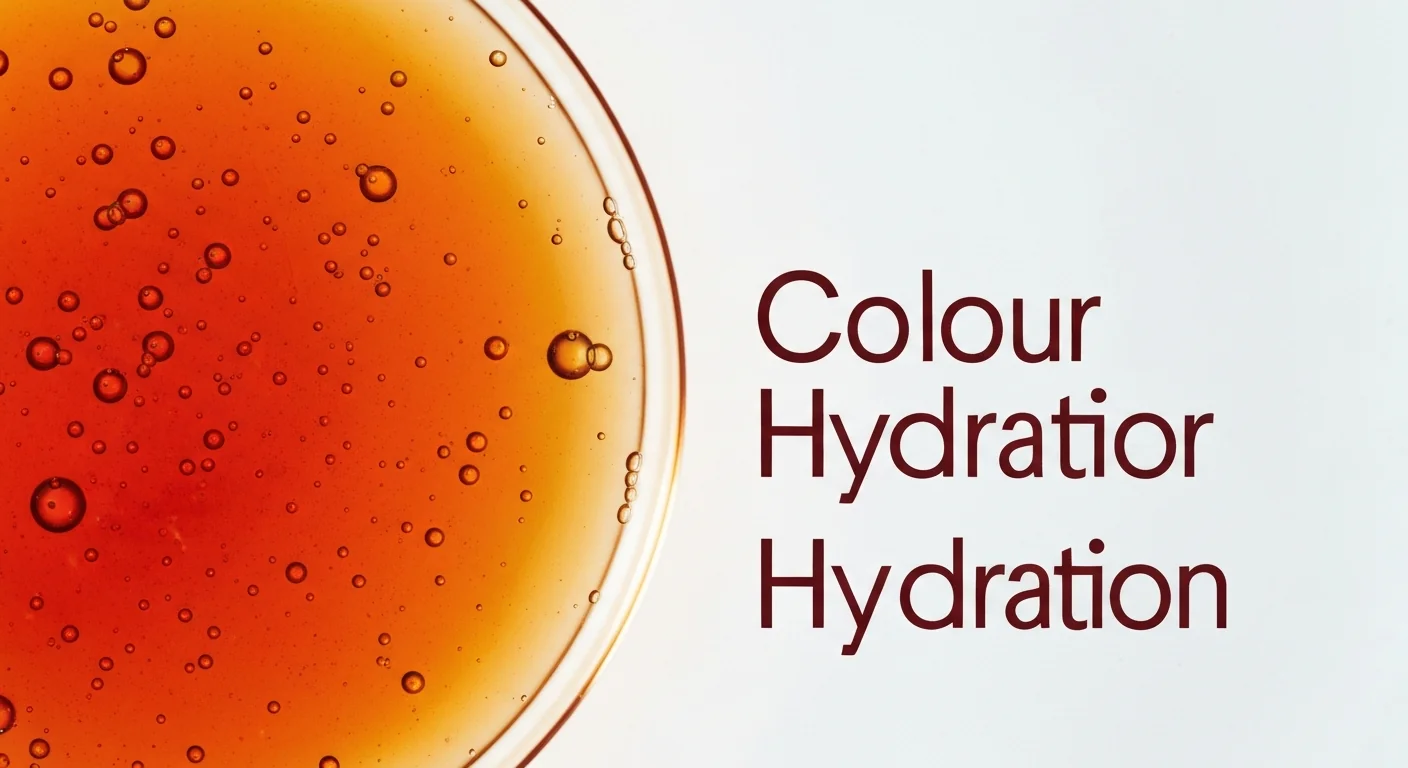
- The best proxy for adequate hydration: pale yellow urine throughout the day.
- Thirst is a reliable hydration signal in healthy, non-athletic adults — not in athletes or the elderly.
- Food contributes 20–30% of daily fluid intake — high water-content foods (fruits, vegetables) count.
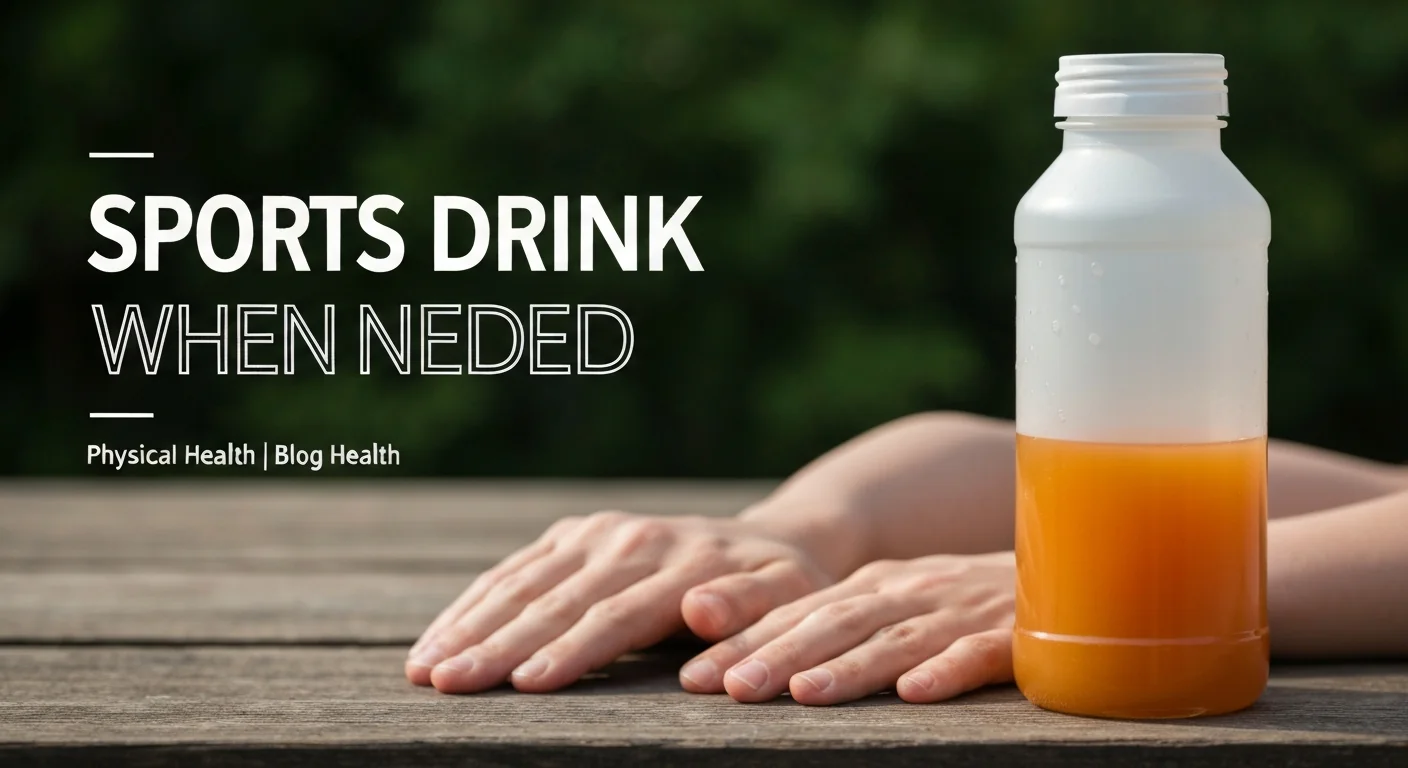
- Electrolytes (especially sodium) are essential for fluid retention — plain water alone is insufficient post-exercise.
- Overhydration (hyponatremia) is a real risk for endurance athletes who drink too much plain water.
Getting Started
Pick one principle and apply it consistently for 14 days before adding another. Sequencing habits dramatically improves long-term adherence.
The Bottom Line
Evidence-based lifestyle changes produce meaningful, measurable improvements. Start small, stay consistent, and trust the process.
From the Good.You blog: Why Most People Are Chronically Dehydrated (And Don't Know It)