The Science of Hydration: Beyond the 8-Glasses Rule
The 8-glasses-per-day rule is not evidence-based. Here's what the research actually shows about optimal fluid intake.
Water, electrolytes, and optimal fluid intake.
The 8-glasses-per-day rule is not evidence-based. Here's what the research actually shows about optimal fluid intake.
Most adults are chronically mildly dehydrated without knowing it. The symptoms are subtle but affect cognition, energy, and physical performance measurably.
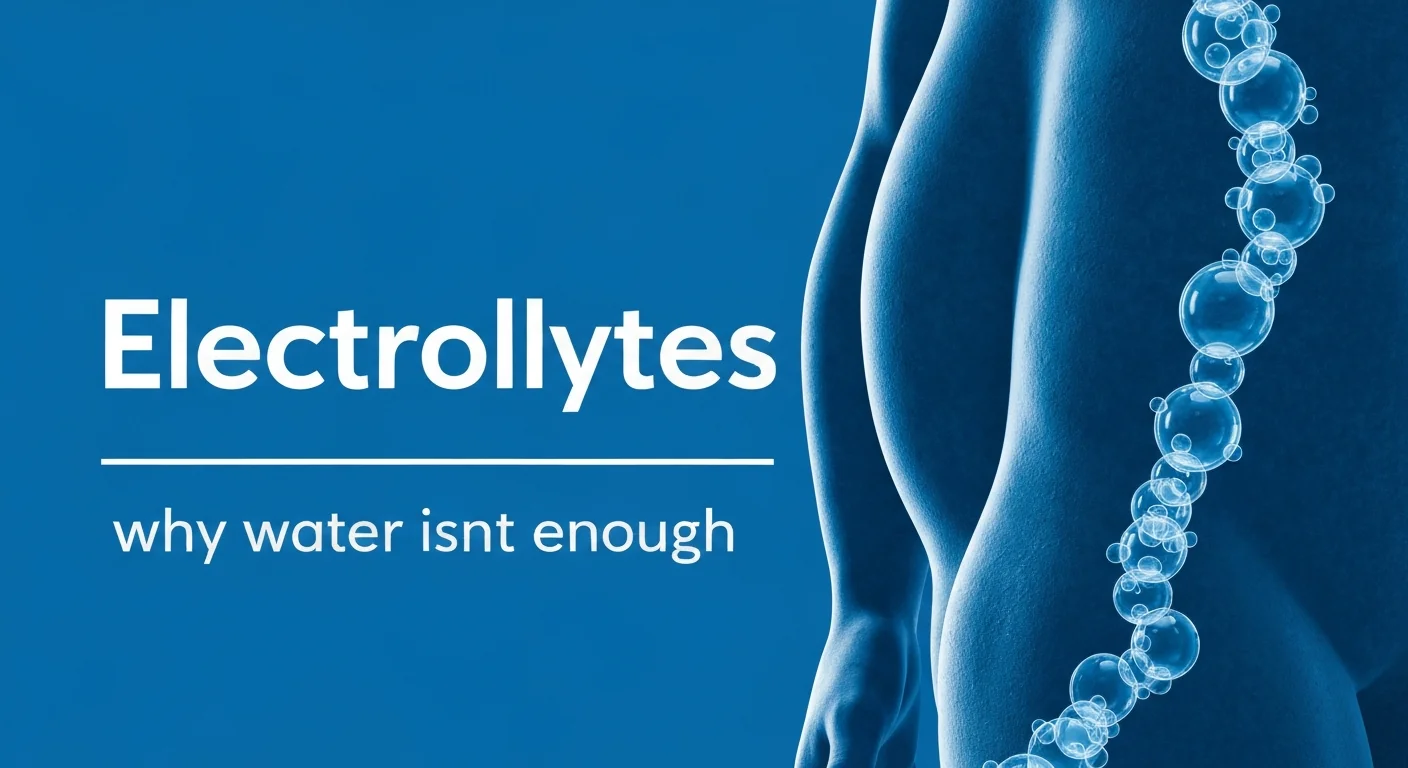
Proper hydration requires more than water. Sodium, potassium, magnesium, and other electrolytes govern fluid balance, nerve conduction, and muscle function.
Most hydration advice focuses on drinking more. The risks of drinking too much are poorly understood by the general public but real - particularly for endurance athletes.
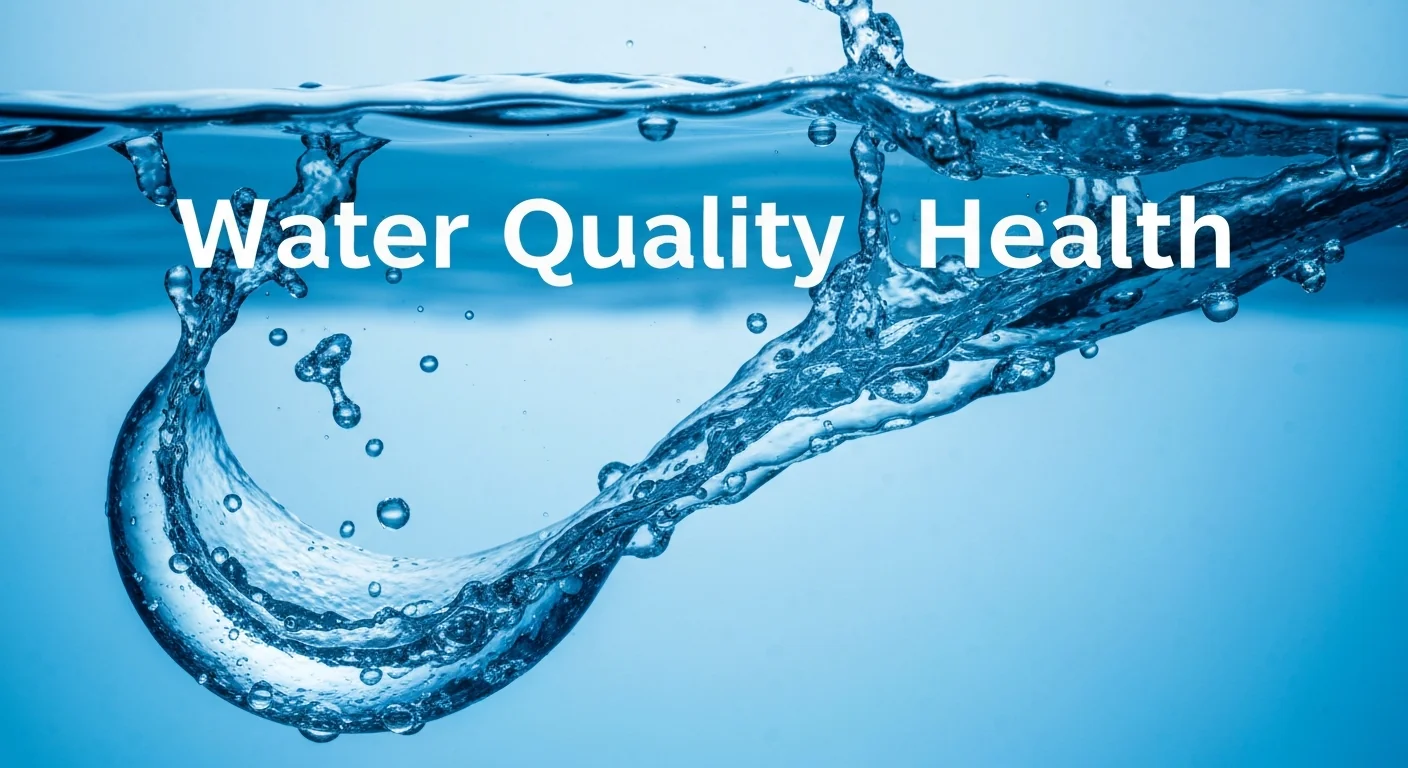
Most discussions about water focus on how much to drink. Fewer address the quality question - which has a more nuanced answer than either the tap water advocates or the filtered water industry suggest.
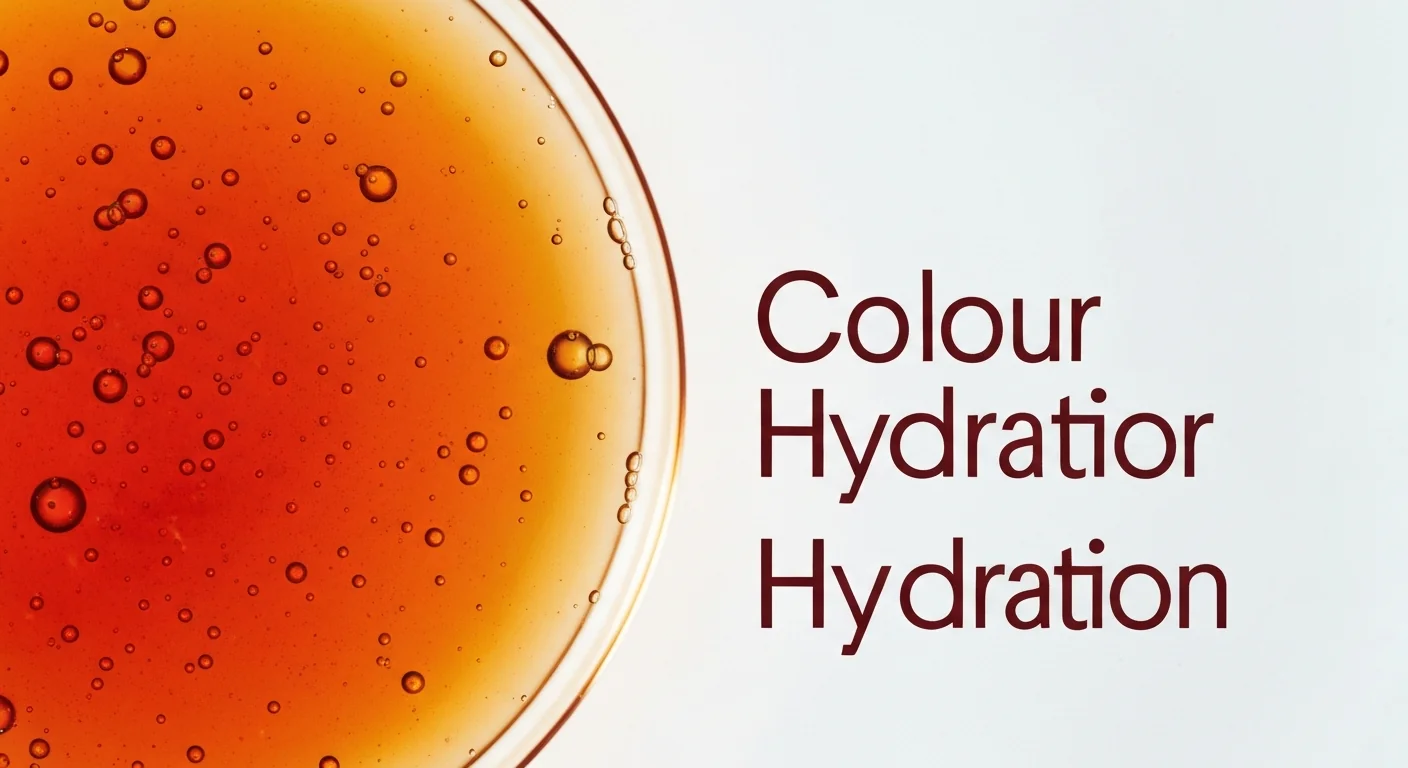
Urine colour is a practical, validated hydration marker with real limitations. Here is how to use it correctly - and when to look beyond it.
Sports drinks are genuinely useful for specific scenarios. For most casual exercisers, they are unnecessary and calorically counterproductive. Here is the evidence for when each approach is right.