The dehydration signs that are easy to overlook
Most adults are chronically mildly dehydrated without knowing it. The symptoms are subtle but affect cognition, energy, and physical performance measurably.
The Problem with Thirst
Thirst is a lagging indicator of hydration status. By the time you feel thirsty, you may already be 1–2% dehydrated — a level that measurably affects cognitive and physical performance. In older adults (over 65), the thirst mechanism becomes even less reliable, making fluid intake a more deliberate practice rather than a demand-driven one.
The Physiology of Dehydration
Water makes up approximately 60% of body weight and is involved in virtually every biological process: nutrient transport, waste removal, temperature regulation via sweating, joint lubrication, and the maintenance of blood volume and pressure. Even mild dehydration triggers compensatory physiological responses — including increased heart rate, reduced blood volume, and hormonal adjustments — that have downstream effects on how you feel and perform.
Subtle Symptoms That Indicate Dehydration
Cognitive Effects
A 2011 study in the Journal of Nutrition (Armstrong et al.) found that 1.36% dehydration in women caused mood worsening, increased task difficulty perception, and impaired concentration. A comparable study found that 1.59% dehydration in men impaired working memory and cognitive function. These are dehydration levels achievable through normal daily activity without drinking enough fluid — below the thirst threshold for most people.
Afternoon Energy Dips
The post-lunch energy slump often blamed on carbohydrates or circadian rhythm may partly reflect dehydration. Studies measuring afternoon fatigue levels show a correlation with morning fluid intake that is independent of sleep and diet.
Headaches
Dehydration is a common headache trigger, thought to involve a reduction in cerebrospinal fluid volume and compensatory pain-sensitive membrane stretching. Drinking 500ml of water at the onset of a headache resolves it within 30 minutes in a meaningful proportion of cases.
Poor Exercise Performance
2% dehydration reduces aerobic performance by approximately 6–8% and significantly increases perceived exertion at any given workload. 3% dehydration (achievable in under 2 hours of exercise in hot conditions without drinking) can reduce performance by 15–20%.
Constipation
The large intestine reabsorbs water from stool before elimination. Insufficient total fluid intake — particularly combined with low dietary fibre — is a primary cause of constipation. Increasing water intake alone resolves mild constipation in many cases.
How to Monitor Hydration
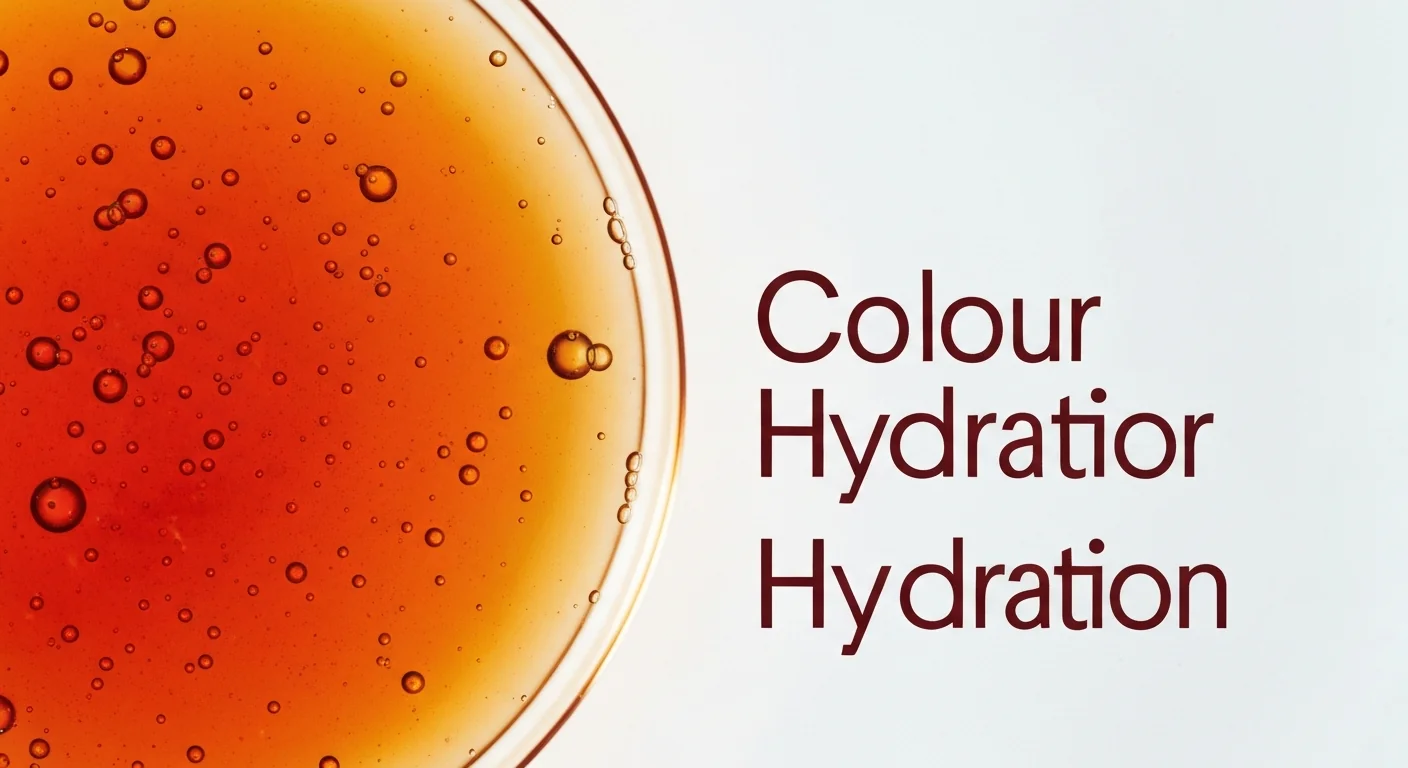
The simplest and most practical tool is urine colour. Pale yellow (lemonade colour) indicates adequate hydration. Dark yellow or amber indicates dehydration. Clear urine can indicate overhydration, though this is rarely a problem outside of endurance events.
First morning urine is always more concentrated (darker) due to overnight fasting — this is normal and not a useful indicator. Mid-morning urine colour is the best practical measurement.
How Much Water Do You Need?
The "8 glasses a day" rule has no scientific basis (it originated from a 1945 US Food and Nutrition Board recommendation that was partially misquoted for decades). Total water needs depend on body size, activity level, climate, and diet (many foods contribute substantially to fluid intake). The European Food Safety Authority recommends 2.0 litres/day for women and 2.5 litres/day for men as total water from all sources — food contributes approximately 20–30% of this. In hot climates or during exercise, needs increase substantially.
From the Good.You blog: Why Most People Are Chronically Dehydrated (And Don't Know It)