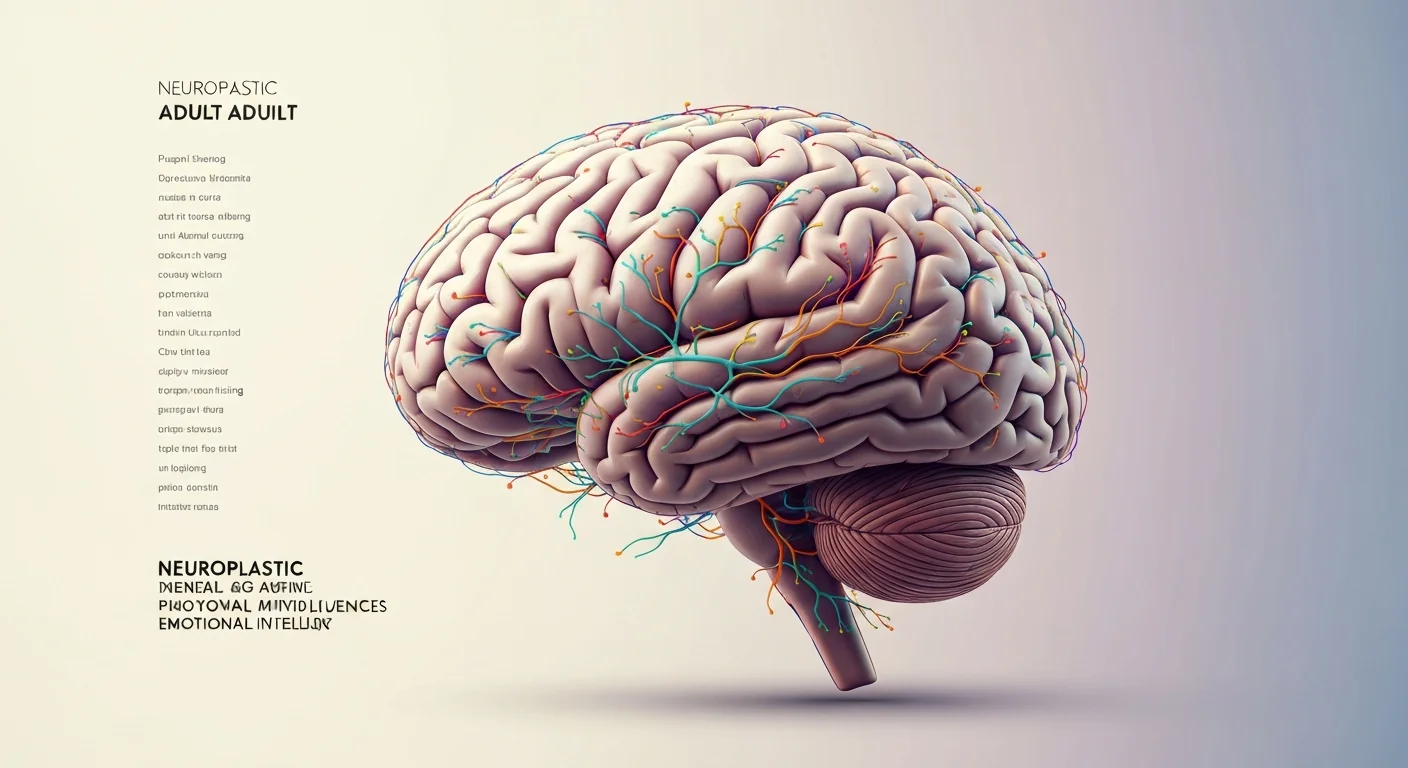
How norepinephrine sharpens your focus
Dopamine gets all the attention, but norepinephrine is equally important for focus, alertness, and stress response. Understanding it changes how you approach attention and arousal.

What Norepinephrine Does
Norepinephrine (noradrenaline) is both a neurotransmitter and hormone. In the brain, it is released primarily from the locus coeruleus - a small nucleus in the brainstem that projects widely across the cortex. Norepinephrine increases arousal, narrows attentional focus to salient stimuli, and enhances signal-to-noise ratio in neural processing. Without adequate norepinephrine, everything feels equally important - attention becomes unfocused and diffuse.
The Yerkes-Dodson Relationship
The relationship between norepinephrine (and overall arousal) and performance follows an inverted U-shape - the Yerkes-Dodson curve. Too little norepinephrine: boredom, inattention, poor performance. Optimal norepinephrine: peak focus and performance. Too much: anxiety, tunnel vision, impaired complex problem-solving. The sweet spot is moderate activation.
"Norepinephrine sets the signal-to-noise ratio of the prefrontal cortex. Too little and everything seems equally relevant. Too much and you hyperfocus on perceived threats at the expense of higher cognition." - Amy Arnsten, Yale School of Medicine
ADHD and Norepinephrine
Both dopamine and norepinephrine systems are implicated in ADHD. Stimulant medications (methylphenidate, amphetamine) and non-stimulant ADHD medications (atomoxetine, guanfacine) target norepinephrine and/or dopamine reuptake in the prefrontal cortex. This explains why mild stressors can paradoxically improve focus in ADHD - they raise norepinephrine toward the optimal range.
Lifestyle Factors That Affect Norepinephrine
- Exercise: Even a single aerobic session significantly increases brain norepinephrine levels for hours afterwards - one mechanism behind exercise-enhanced focus
- Cold exposure: Cold showers trigger a norepinephrine surge (200-300% increase) - the mechanism behind improved alertness and mood from cold exposure
- Chronic stress: Depletes locus coeruleus norepinephrine reserves, contributing to the cognitive fog associated with burnout
- Sleep deprivation: Disrupts norepinephrine regulation, impairing attention modulation
Norepinephrine in Practice
To boost focus through norepinephrine: exercise in the morning or before cognitively demanding work, use brief cold exposure if tolerated, and ensure adequate sleep. If you struggle with attention and focus, checking these basic variables before exploring pharmacological interventions is a reasonable first step.