How much the adult brain can change
The adult brain is far more malleable than was believed a generation ago. But not all changes are equal - understanding which neural changes are realistic sets appropriate expectations.
The Old and New Paradigms
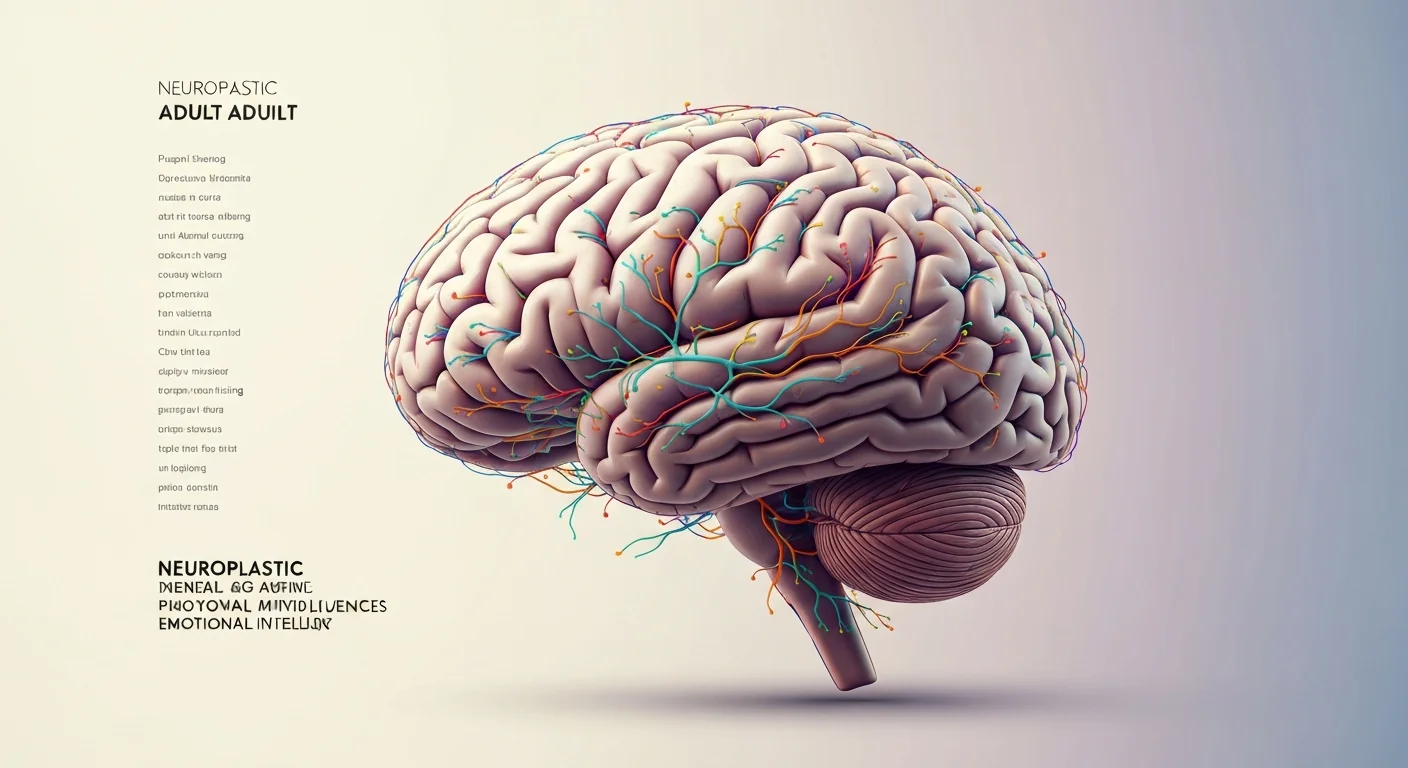
The classical view of the adult brain - fixed structure, no new neurons, deterioration from middle age onward - has been substantially revised over the past three decades. The adult brain can grow new neurons (neurogenesis), form new synaptic connections (synaptic plasticity), strengthen existing pathways, and reorganise following injury. These are real phenomena - but their magnitude and reversibility vary enormously.
Structural Neuroplasticity That Is Real
- Hippocampal neurogenesis: New neurons are produced in the hippocampus throughout adulthood. This is enhanced by aerobic exercise (BDNF is the primary signal), suppressed by chronic stress, alcohol, and sleep deprivation.
- Synaptic pruning and strengthening: Connections used frequently are strengthened (long-term potentiation); those unused are pruned. Learning literally changes synaptic weights.
- Cortical remapping: Following skill acquisition, the cortical area dedicated to the relevant skill expands. London taxi drivers show measurable hippocampal enlargement in navigation-related areas.
"The brain is not a static organ that gradually deteriorates. It is a dynamic system that responds to how you use it. The question is not whether plasticity exists - it is how to direct it." - Michael Merzenich, UCSF
What Neuroplasticity Cannot Do
- Regenerate neurons lost to severe neurodegeneration (Parkinson's, advanced Alzheimer's)
- Rewire fundamental emotional learning embedded in early childhood without intensive intervention
- Produce skill mastery without sufficient high-quality practice - plasticity is the mechanism of learning, not a substitute for it
Neuroplasticity in Practice
The most evidence-backed enhancers of neuroplasticity: aerobic exercise (increases BDNF, stimulates hippocampal neurogenesis), adequate sleep (consolidates synaptic changes, clears metabolic waste), novel learning challenges (drives cortical reorganisation), and stress management (chronic cortisol suppresses neurogenesis). The brain you have in 10 years is being shaped by what you do consistently today.
Related Guides