Using biophilic design to bring nature indoors
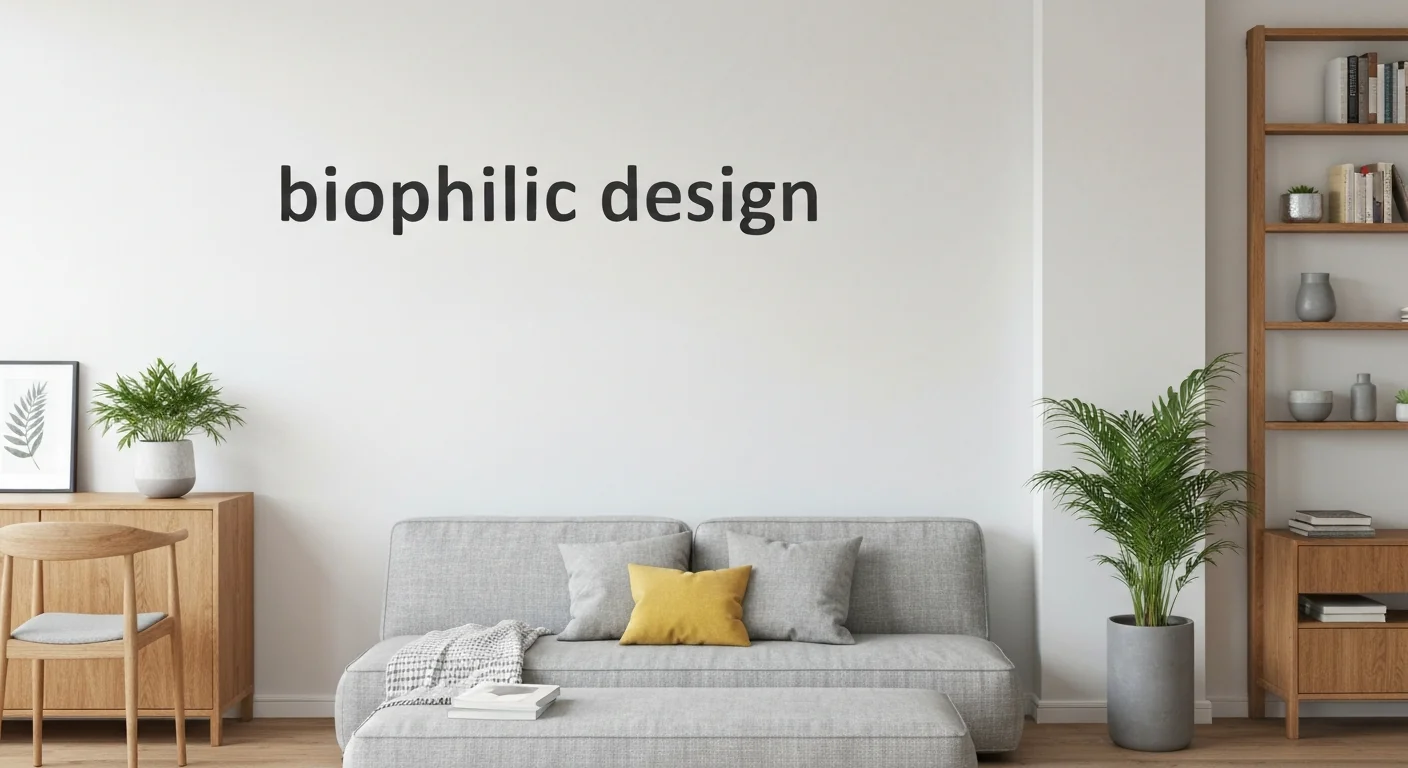
What Biophilic Design Is
Biophilic design is the intentional integration of natural elements into built environments -- not simply adding plants, but designing spaces that satisfy the human evolved preference for natural patterns, materials, and processes. The term comes from biologist E.O. Wilson's biophilia hypothesis: humans have an innate connection to other living systems and suffer when that connection is absent.
The Evidence Base
Studies in healthcare settings show that patients in rooms with window views of nature recover faster, require less pain medication, and report higher satisfaction than those in rooms facing walls. Office environments with natural light and plant life show higher productivity and lower sick leave. The effects are not trivial or marginal.
Core Biophilic Elements
- Natural light: the most impactful element. Maximise daylight penetration; supplement with full-spectrum bulbs where natural light is limited.
- Plants: living plants add complexity, movement, and humidity to indoor environments. Research shows modest but real effects on air quality and stronger effects on mood.
- Natural materials: wood, stone, cotton, and linen produce lower stress responses than synthetic materials in controlled studies.
- Views: visual access to sky, trees, or water is associated with wellbeing even when physical access is absent.
- Water features: the sound of moving water produces measurable relaxation responses.
Bringing Nature Into Your Living Space in Practice
Assess your home for natural light first -- this is the highest-return intervention. Then add living plants to your primary living and working spaces. The return on investment for these two changes, in measured wellbeing and reported satisfaction, consistently exceeds their cost.
From the Good.You blog: How to Create a Lower-Stimulation Living Space