Environment Design: The Invisible Influence

You don't rise to your goals—you fall to your environment. Your surroundings profoundly influence mood, productivity, health, and habits. A well-designed environment makes good choices automatic and bad choices difficult. Master your space, master your life.

The 8 Pillars of a Healthy Home

1. Air Quality

You breathe 20,000+ times daily. Indoor air is often 2-5x more polluted than outdoor air.

Ventilation

  • Open windows daily for 10-15 minutes (weather permitting)
  • Use exhaust fans in kitchen and bathroom
  • Ensure HVAC system is well-maintained
  • Consider ERV or HRV system for optimal air exchange

Air Purification

  • HEPA air purifier in bedroom and main living space
  • Change HVAC filters every 3 months (MERV 11-13)
  • Size purifier appropriately for room (CADR rating)
  • Run purifiers continuously, not just when "needed"

Plants

  • Spider plant, pothos, snake plant filter toxins
  • 1-2 plants per 100 sq ft ideal
  • Avoid overwatering (mold risk)
  • Real benefit is psychological, not just air filtering

Avoid Pollutants

  • No smoking indoors (obviously)
  • Low-VOC paints, furniture, cleaning products
  • Avoid synthetic fragrances (candles, air fresheners)
  • Remove shoes at door to reduce outdoor pollutants

2. Lighting

Light regulates circadian rhythm, mood, alertness, and sleep quality.

Natural Light

  • Maximize exposure during day (open blinds/curtains)
  • Position desk/workspace near window if possible
  • Light-colored walls reflect more natural light
  • Keep windows clean for maximum light transmission

Morning Light

  • Bright light (5000-10000 lux) within 1 hour of waking
  • Use light therapy lamp if limited natural light
  • Sets circadian rhythm for day
  • Improves mood, energy, and sleep quality

Daytime Lighting

  • Bright overhead lights during work hours
  • 5000K (cool white) for focus and alertness
  • Task lighting for detail work
  • Avoid blue light-blocking glasses during day

Evening Lighting

  • Dim lights 2-3 hours before bed
  • Use lamps instead of overhead lights
  • 2700K (warm white) or lower
  • Red/amber lights have minimal circadian impact
  • Consider smart bulbs for automatic dimming

3. Organization & Clutter

Clutter causes stress, reduces focus, and wastes time. Clean space = clear mind.

Minimalism Principles

  • Keep only what you use or truly love
  • One in, one out rule for new items
  • Digital minimalism: files, photos, apps
  • Regularly audit possessions (quarterly)

Storage Systems

  • Everything has a designated home
  • Use drawer dividers, bins, labels
  • Vertical storage maximizes space
  • Store rarely-used items out of sight

Daily Maintenance

  • 10-minute evening tidy routine
  • Deal with mail/papers immediately
  • Clean as you go (kitchen, bathroom)
  • "Reset" rooms before bed

Visual Calm

  • Clear surfaces (kitchen counter, desk, nightstand)
  • Hide cords and cables
  • Closed storage preferred over open shelves
  • Limit decorative items to meaningful pieces

4. Temperature & Humidity

Thermal comfort affects sleep, productivity, and health.

Temperature

  • Daytime: 68-72°F for comfort and productivity
  • Sleep: 65-68°F for optimal sleep quality
  • Lower temps improve deep sleep
  • Personal variation exists—experiment

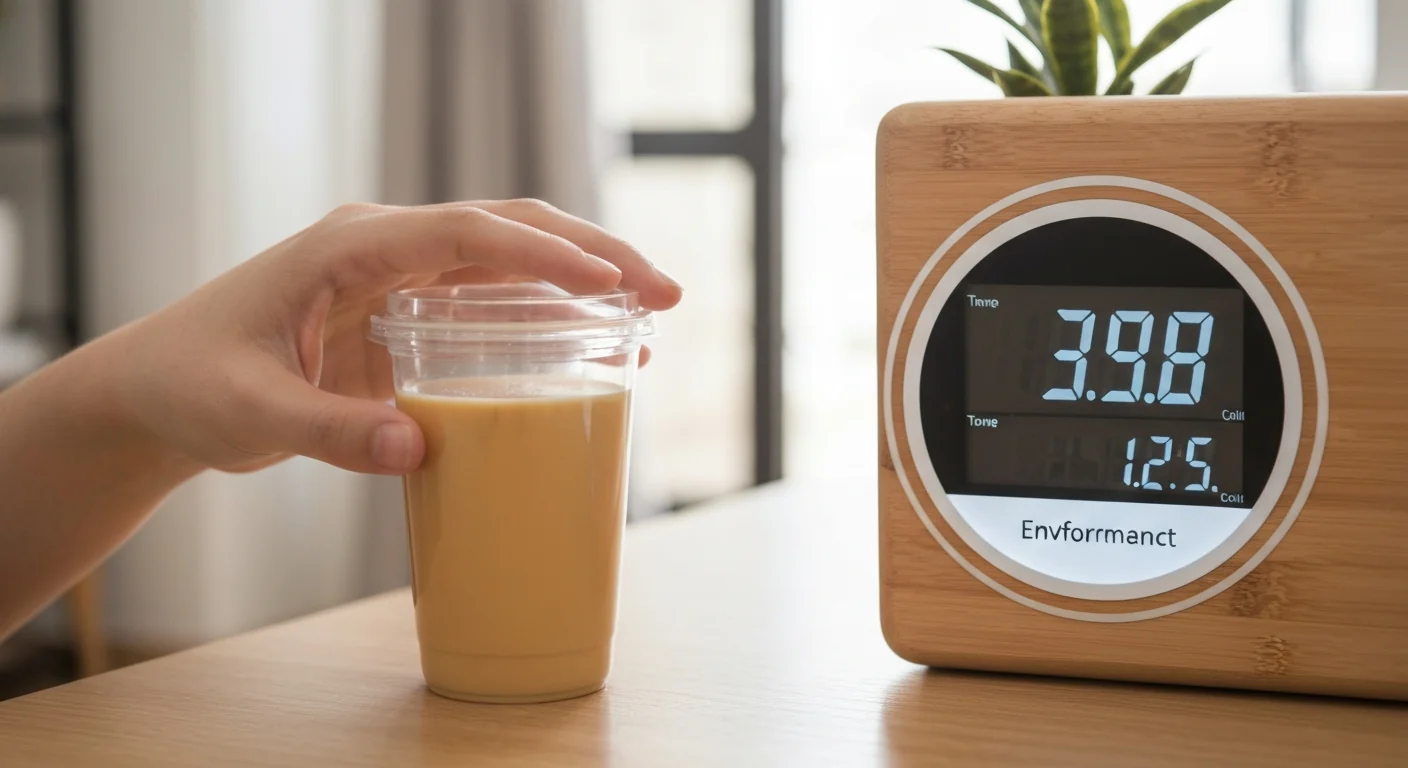
Humidity

  • Maintain 40-60% relative humidity
  • Too low: dry skin, respiratory irritation
  • Too high: mold growth, dust mites
  • Use humidifier (winter) or dehumidifier (summer)
  • Hygrometer monitors levels ($10-20)

5. Sound Environment

Noise pollution increases stress, disrupts sleep, and reduces cognitive performance.

Noise Reduction

  • Heavy curtains dampen outside noise
  • Rugs and soft furnishings absorb sound
  • Weatherstrip doors and windows
  • Acoustic panels for home office

White Noise

  • Masks intermittent noises (traffic, neighbors)
  • White, pink, or brown noise—personal preference
  • Fan provides noise + air circulation
  • Dedicated white noise machine or app

Sound Design

  • Create quiet zones (bedroom, study)
  • Background music for certain activities (cleaning, cooking)
  • Consider noise level when buying appliances
  • Communicate quiet hours with household

6. Workspace Optimization

Your workspace dramatically affects productivity, focus, and physical health.

Ergonomics

  • Monitor at arm's length, top at/below eye level
  • Chair supports lower back, feet flat on floor
  • Keyboard/mouse at elbow height
  • Consider standing desk or desk converter
  • External keyboard/mouse for laptop users

Desk Setup

  • Face window for natural light if possible
  • Minimal items on desk—only essentials
  • Single monitor preferable for focus
  • Phone out of reach/sight during deep work

Distraction Management

  • Back to wall, not to door (reduces anxiety)
  • Away from high-traffic areas
  • Noise-canceling headphones
  • Door (or sign) signals "do not disturb"

Inspiration & Focus

  • Vision board or goals visible
  • Plants for aesthetics and air quality
  • Natural materials (wood, stone) reduce stress
  • Personal touches without clutter

7. Bedroom Optimization

Sleep environment is critical—1/3 of life is spent here.

Sleep Sanctuary Principles

  • Bedroom for sleep and intimacy ONLY
  • No TV, work materials, or exercise equipment
  • Train brain: bed = sleep
  • Minimal, calming aesthetic

Darkness

  • Blackout curtains or shades
  • Cover or remove all LED lights
  • Eye mask if blackout not possible
  • Even small amounts disrupt sleep quality

Bedding

  • Quality mattress (replace every 7-10 years)
  • Medium-firm typically best for most
  • Breathable, natural materials (cotton, linen)
  • Multiple pillow options for position changes
  • Wash sheets weekly

Other Factors

  • Keep room cool (65-68°F)
  • White noise or fan for sound masking
  • Remove/minimize electronics
  • Charge phone outside bedroom

8. Habit-Supporting Design

Design environment to make good habits inevitable and bad habits difficult.

Make Good Habits Obvious

  • Gym clothes laid out night before
  • Healthy snacks at eye level in fridge
  • Book on pillow to remind of reading habit
  • Yoga mat unrolled in living room
  • Water bottle always visible on desk

Make Bad Habits Invisible

  • Junk food in opaque containers, high shelf
  • Unplug/hide TV when not in use
  • Phone in drawer or other room
  • Delete apps from home screen
  • Use website blockers during work

Reduce Friction

  • Meal prep containers ready to go
  • Coffee maker preset night before
  • Keys/wallet/bag always in same spot
  • Simplify getting started on good habits

Increase Friction

  • TV remote in another room
  • Unplug gaming console between uses
  • Make bad habits require extra steps
  • Use app timers and website blockers

Room-by-Room Optimization Guide

Kitchen

  • Clear counters (minimal appliances visible)
  • Healthy foods front and center in fridge/pantry
  • Meal prep containers easily accessible
  • Hide junk food or don't buy it
  • Water filter/pitcher visible on counter
  • Fruit bowl on counter for easy snacking

Living Room

  • Comfortable seating arranged for conversation
  • Books easily accessible
  • TV not focal point of room if possible
  • Plants for life and air quality
  • Good lighting for reading
  • Minimal decorative clutter

Bathroom

  • Towels and essentials easily accessible
  • Clear counters (store items in drawers)
  • Good ventilation to prevent mold
  • Non-toxic cleaning and personal care products
  • Scale visible if tracking weight

Entryway

  • Designated spot for keys, wallet, bag
  • Shoe storage/rack by door
  • Coat hooks at convenient height
  • Small table or tray for essentials
  • Mirror for last-minute checks
  • Keeps rest of home cleaner

The Weekend Deep Clean Routine

Maintain a healthy environment with a consistent weekly cleaning routine:

Weekly Tasks (60-90 minutes)

  • Vacuum all floors
  • Mop hard floors
  • Dust all surfaces
  • Clean bathrooms (toilet, sink, shower)
  • Wipe down kitchen (counters, appliances)
  • Take out trash and recycling
  • Change bed sheets
  • Declutter main living spaces

Monthly Tasks

  • Clean inside refrigerator
  • Vacuum under furniture and in corners
  • Wipe down baseboards
  • Clean light fixtures and ceiling fans
  • Wash windows (inside)
  • Deep clean oven/microwave
  • Organize one closet or drawer

Quarterly Tasks

  • Replace HVAC filters
  • Clean air purifier filters
  • Deep clean carpets/upholstery
  • Declutter and donate unused items
  • Clean windows (outside)
  • Check and replace smoke detector batteries

Your Home Environment Action Plan

  1. This Week: Conduct home audit—walk through each room noting what supports or hinders your goals. Clear one cluttered surface. Buy a quality air purifier for bedroom.
  2. This Month: Optimize lighting (bright during day, dim at night). Declutter one room completely. Set up your workspace ergonomically. Establish 10-minute daily tidy routine.
  3. This Quarter: Implement habit-supporting design in all rooms. Establish weekly cleaning routine. Optimize bedroom completely for sleep. Create distraction-free workspace.
  4. This Year: Your home environment becomes your competitive advantage. Every room supports your health, productivity, and happiness. Maintaining this environment is non-negotiable.