The Half-Life of Caffeine: Why Your Afternoon Coffee Is Wrecking Your Sleep
Caffeine stays in your system far longer than most people realise. Understanding its half-life is one of the most practical sleep improvements you can make.
Circadian rhythms, sleep hygiene, and recovery optimization.
Caffeine stays in your system far longer than most people realise. Understanding its half-life is one of the most practical sleep improvements you can make.
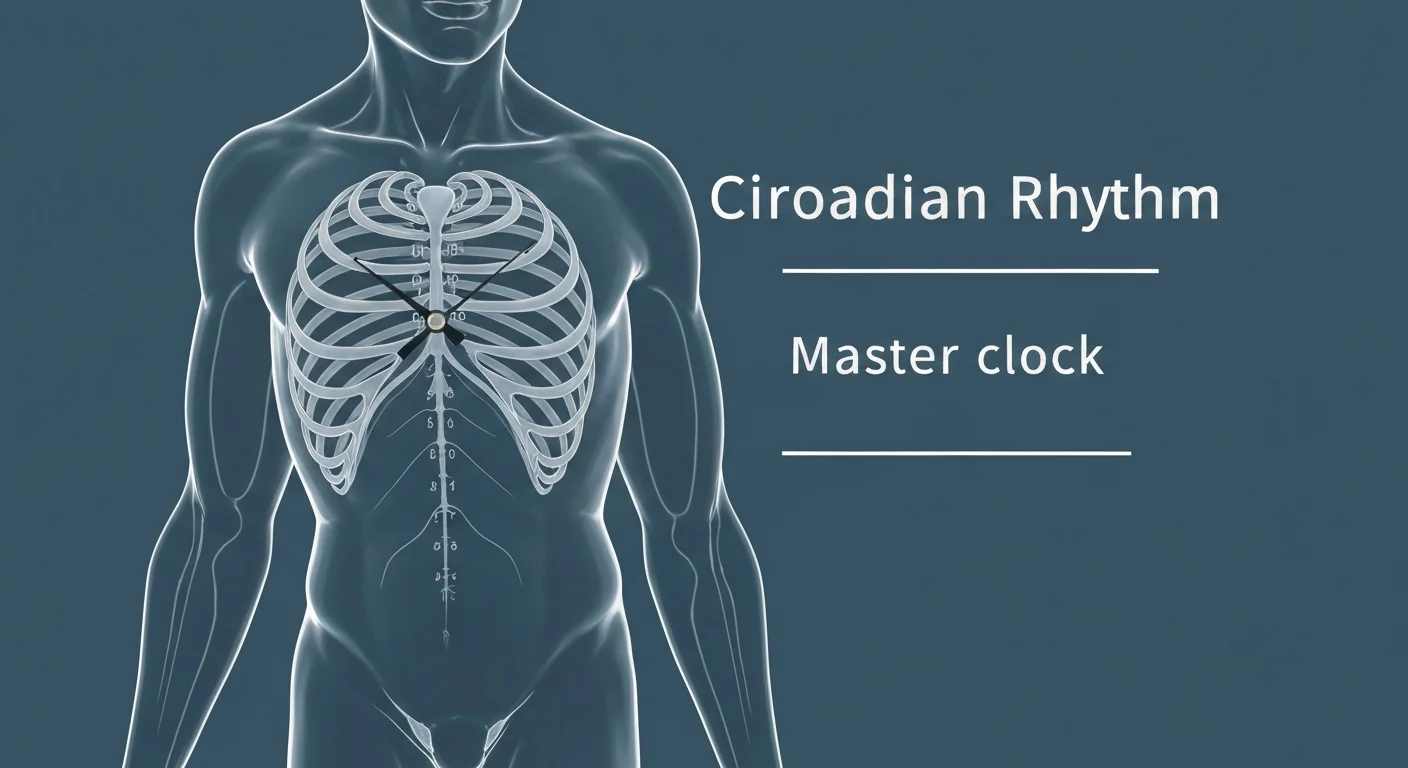
Your body runs on a precise internal timer set by light, temperature, and behaviour. Disrupting it costs more than sleep.
Alcohol induces sleep onset but degrades sleep quality - particularly REM sleep - in ways most people cannot perceive. The science is unambiguous.
Light is the most powerful signal your circadian clock receives. Using it deliberately - morning bright light, evening darkness - is one of the highest-leverage sleep interventions available.
Core body temperature must drop by approximately 1°C for sleep initiation to occur. This single insight explains more about sleep quality than almost any other.
Most people underestimate how much impaired they are when chronically under-slept. The research on cumulative sleep debt is stark - and the recovery process is longer than most expect.
Sleep is not just a rhythm - it is driven by a pressure that builds with every hour awake. Understanding adenosine changes how you think about naps, coffee, and wind-down.