How chronic stress weakens immune function
The field of psychoneuroimmunology has spent 40 years mapping the pathways through which psychological stress impairs immune function. The mechanisms are well-established and the interventions are clear.
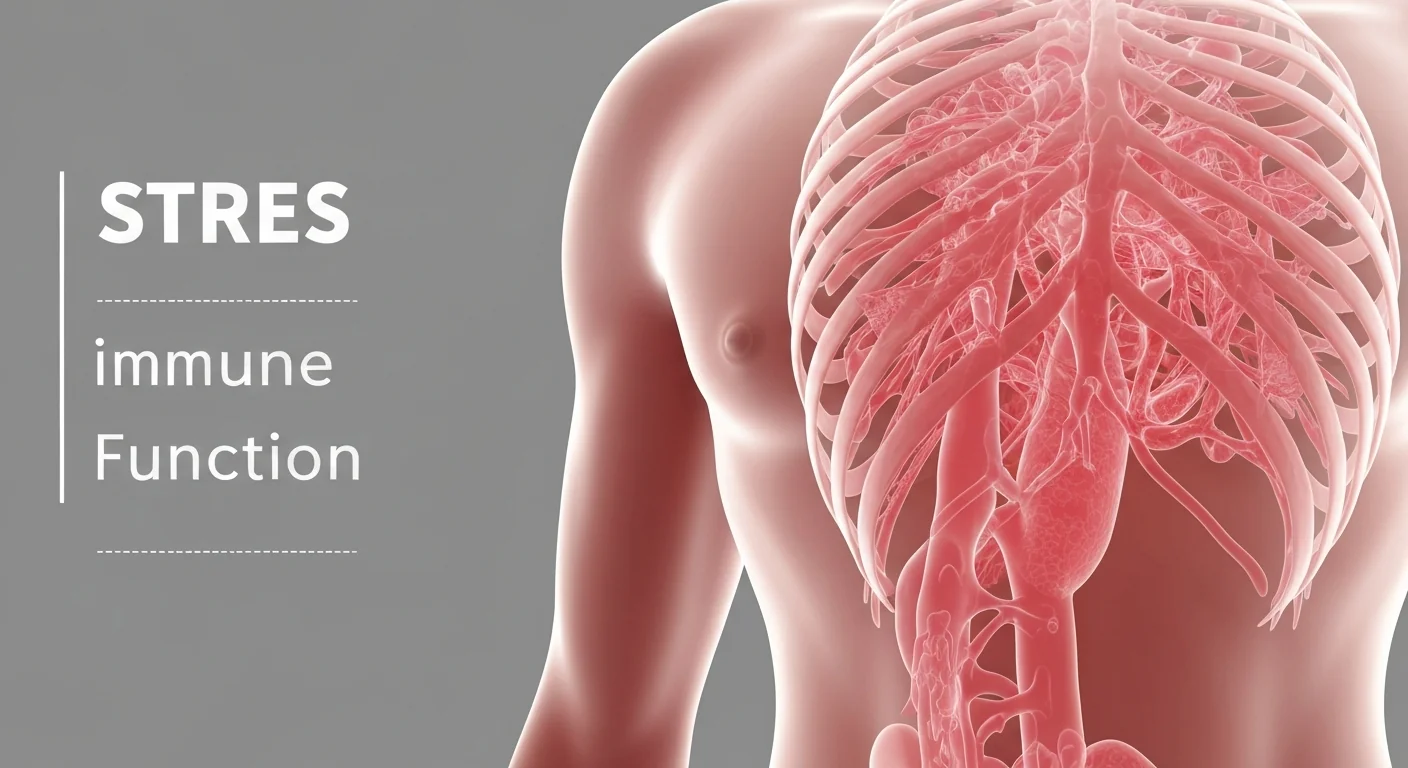
The Psychoneuroimmunology Framework
Psychoneuroimmunology (PNI) studies the connections between the mind (psycho), nervous system (neuro), and immune system (immunology). Its central finding: these three systems are not separate - they communicate continuously through shared hormones, cytokines, and neural pathways. Psychological states directly modulate immune function through multiple mechanisms.
Acute vs. Chronic Stress: Opposite Effects
Short-term acute stress is immunoenhancing: natural killer cell activity increases, inflammatory cytokines are mobilised, and the immune system is primed for potential injury (consistent with the fight-or-flight threat environment in which this response evolved).
Chronic stress has the opposite effect. Sustained cortisol elevation:
- Suppresses lymphocyte proliferation and cytotoxic function
- Reduces secretory IgA (the primary mucosal immune defence)
- Produces a shift from Th1 to Th2 cytokine dominance, impairing viral and tumour surveillance
- Accelerates telomere shortening in immune cells, reducing their proliferative capacity
"Forty years of research have established beyond reasonable doubt that psychological stress suppresses immune function. The question is no longer whether but how, and what to do about it." - Sheldon Cohen, Carnegie Mellon University
The Caregiver Studies
One of the most replicated findings in PNI comes from studies of caregivers - people chronically stressed by caring for a family member with dementia or chronic illness. Across multiple studies, caregivers show: 13% slower wound healing, significantly reduced NK cell activity, and 4x reduction in influenza vaccine antibody response compared to matched controls.
Interventions With Evidence
| Intervention | Immune effect demonstrated |
|---|---|
| MBSR (mindfulness-based stress reduction) | Improved NK cell activity, reduced inflammatory cytokines |
| Regular aerobic exercise | Anti-inflammatory, improved immune surveillance |
| Social support | Lower cortisol, better NK function, faster wound healing |
| Expressive writing (Pennebaker) | Improved antibody response to novel challenges |
Stress and Immunity in Practice
Managing chronic stress is immune support. An 8-week MBSR programme, regular aerobic exercise, and maintaining social connection have more immune evidence than most supplements. The interventions that work on stress work on immunity - they are not separate targets.
From the Good.You blog: What Chronic Stress Is Actually Doing to Your Body