Why sleep matters so much for immunity
Sleep is arguably the most powerful immune regulator available. Both sleep deprivation and excess stress measurably impair the body's ability to fight infection.
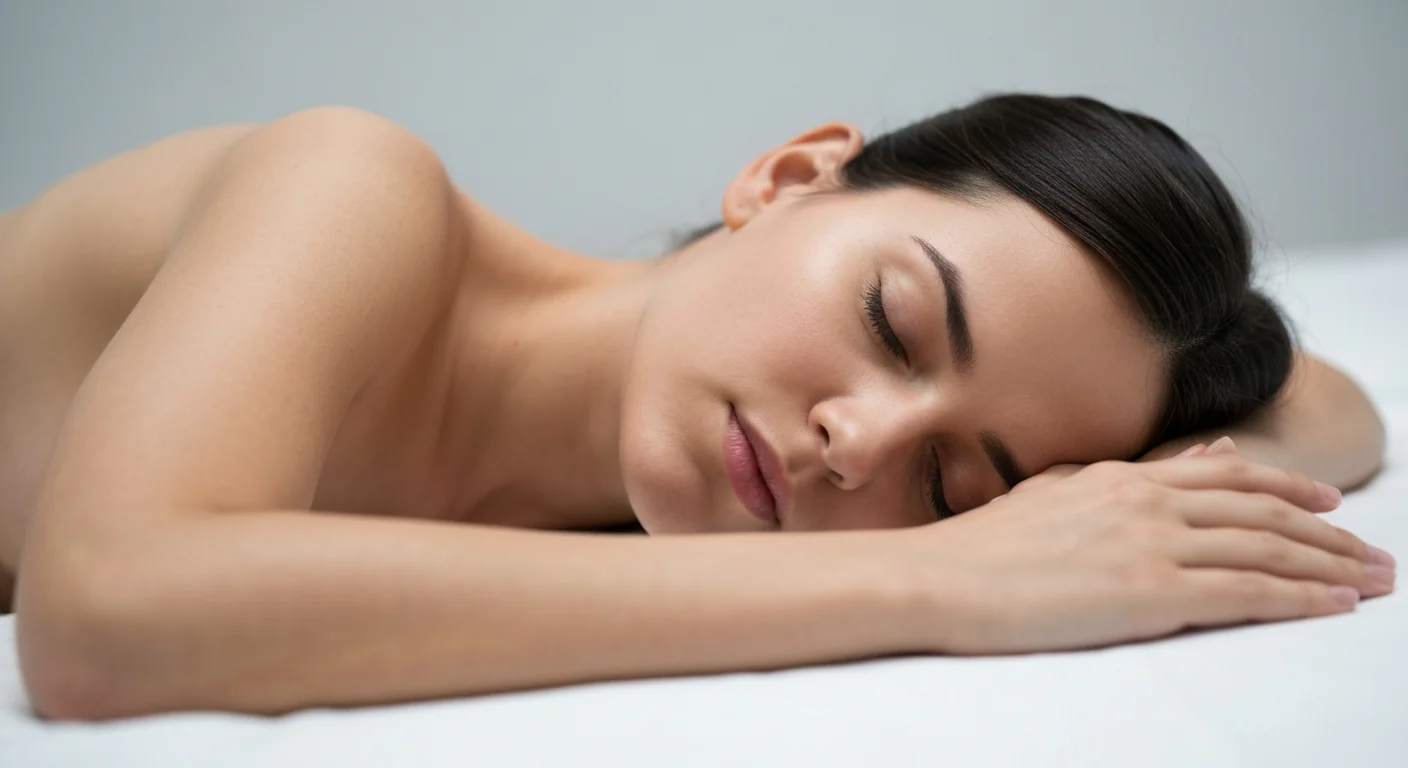
How Sleep Shapes Immune Function
The immune system does not merely tolerate sleep — it actively requires it. During sleep, the body undergoes coordinated immune activity that cannot occur at full capacity during waking hours, when sympathetic nervous system activity and metabolic demands compete with immune function.
T-Cell Activity During Sleep
A 2019 study in the Journal of Experimental Medicine (Dimitrov et al.) found that sleep significantly enhanced the ability of T-cells to adhere to infected cells and initiate destruction — a key step in the adaptive immune response. The mechanism involves the suppression of adrenaline during sleep, which otherwise blocks T-cell integrin activation. This finding provided a direct molecular pathway linking sleep to immune defence.
Cytokines and Sleep
Pro-inflammatory cytokines — particularly IL-1β, TNF-alpha, and IL-6 — are produced during sleep and serve dual roles: they fight infection and they promote deeper sleep (creating a positive feedback loop when you're ill). This is why fever and fatigue occur together during infection: the immune system is inducing sleep to amplify its own response.
The Vaccination Evidence
Sleep's role in immune memory formation is perhaps most clearly demonstrated by vaccination studies. A 2020 study found that participants who slept poorly (under 6 hours) in the nights following influenza vaccination had antibody responses 50% lower than those who slept 8+ hours — and this difference persisted for a year after vaccination. Similar findings have been reported for hepatitis B and COVID-19 vaccines.
The 70% Statistic
A landmark 2015 study by Cohen et al. in Sleep exposed 164 healthy adults to rhinovirus (common cold) via nasal drops. Those who slept under 6 hours per night were 4.2× more likely to develop a cold than those sleeping 7 hours or more. Those under 5 hours were 4.5× more likely. This is one of the clearest causal demonstrations of sleep deprivation's effect on immune susceptibility.
Chronic Inflammation and Sleep
Insufficient sleep chronically elevates inflammatory markers, including CRP (C-reactive protein), IL-6, and TNF-alpha. While acute inflammation is adaptive, chronic low-grade inflammation is a driver of cardiovascular disease, type 2 diabetes, and several cancers. Poor sleep is now considered an independent risk factor for these conditions partly through this inflammatory mechanism.
Practical Implications
- During illness, prioritising sleep over other commitments is evidence-based, not indulgent
- In the days surrounding vaccination, ensuring 7–9 hours significantly improves the immunological response
- Chronic sleep debt (even 1–2 hours nightly) measurably suppresses immune competence over time
- Sleep quality, not just duration, matters — alcohol-disrupted or fragmented sleep does not produce the same immune benefits as consolidated, uninterrupted sleep