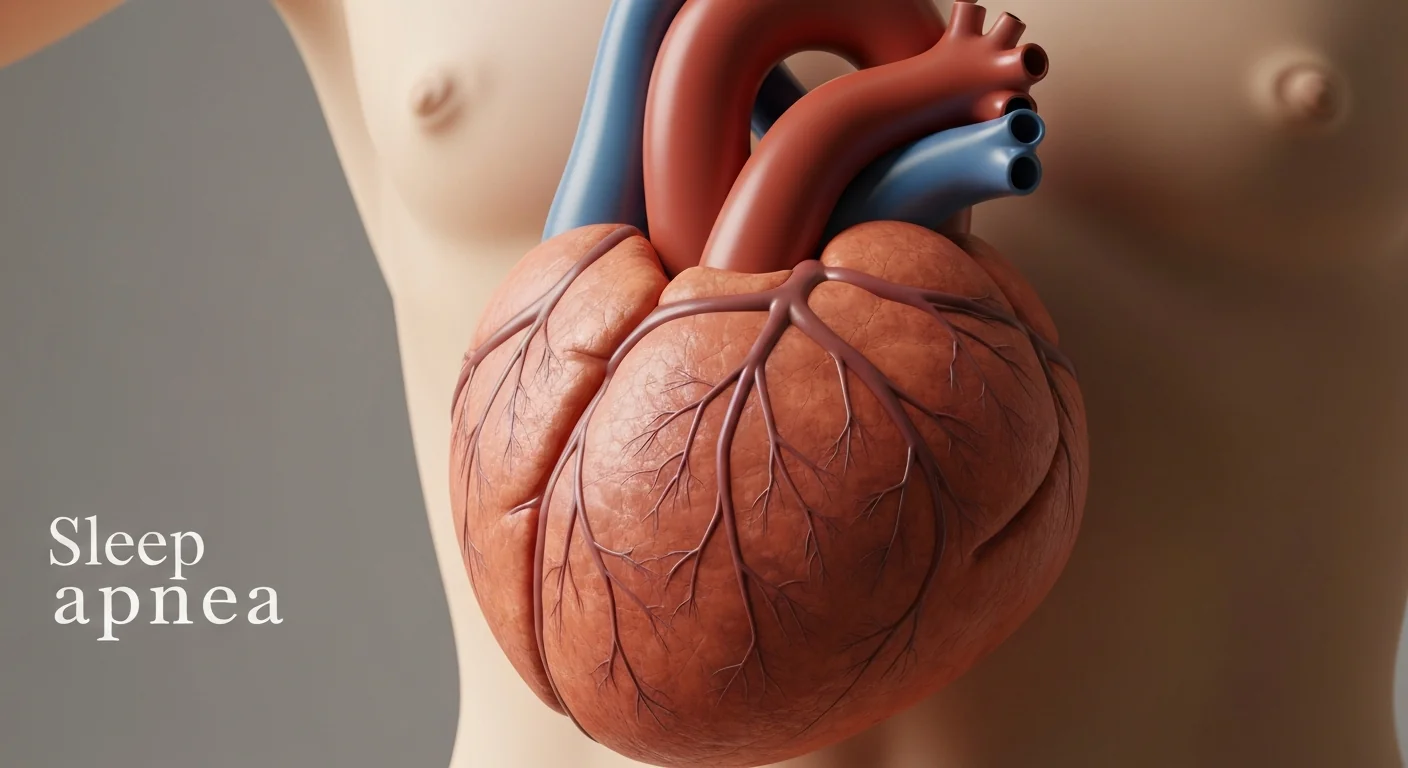
How inflammation drives heart disease
The JUPITER trial changed cardiovascular medicine by showing that CRP - a marker of inflammation - predicts heart attacks in people with normal LDL. Here is what this means for prevention.

The Inflammatory Hypothesis of Atherosclerosis
Atherosclerosis - the plaque build-up that underlies most heart attacks and strokes - is fundamentally an inflammatory disease. The "response to injury" model, pioneered by Russell Ross in the 1970s, describes atherosclerosis as an inflammatory response in the arterial wall to lipid deposition, not simply a passive accumulation of cholesterol.
This means that the same circulating LDL particle causes more damage in the presence of elevated inflammation - explaining why CRP predicts cardiovascular events independently of LDL.
The JUPITER Trial
The 2008 JUPITER trial enrolled 17,802 adults with normal LDL (below 130 mg/dL) but elevated high-sensitivity CRP (hsCRP above 2 mg/L). Randomisation to rosuvastatin (a statin) versus placebo reduced major cardiovascular events by 44% and all-cause mortality by 20%. The trial demonstrated that inflammation markers predict risk independently of LDL - and that statins have anti-inflammatory effects beyond LDL lowering.
"The JUPITER results changed how we think about cardiovascular risk. Inflammation is not a footnote to the lipid story - it is co-authoring it." - Dr. Paul Ridker, Harvard Medical School
What Raises hsCRP
- Visceral adiposity (particularly waist-to-height ratio above 0.5)
- Chronic psychological stress
- Sedentary behaviour
- Poor sleep (both short and fragmented)
- Smoking and alcohol
- Periodontal (gum) disease - a surprisingly strong and specific predictor
- Ultra-processed food heavy diet
Anti-Inflammatory Lifestyle Interventions
| Intervention | Effect on hsCRP |
|---|---|
| Regular aerobic exercise | 20-30% reduction in hsCRP |
| Weight loss (5-10%) | Significant reduction in visceral fat inflammation |
| Mediterranean diet | Consistent reductions across multiple RCTs |
| Smoking cessation | CRP normalises within months |
| Omega-3 supplementation | Modest but consistent reductions |
Inflammation and Heart Disease in Practice
Include hsCRP in your cardiovascular risk assessment - it is a cheap, standard blood test. A result above 2 mg/L warrants attention to inflammation sources: sleep, stress, diet, exercise, and dental health. The interventions that reduce inflammation are the same ones that reduce LDL, blood pressure, and insulin resistance - reinforcing that lifestyle change has multiple simultaneous cardiovascular benefits.