How sleep apnoea strains the heart
Obstructive sleep apnoea affects an estimated 1 billion people worldwide - most undiagnosed. Its cardiovascular consequences are serious and largely preventable with treatment.
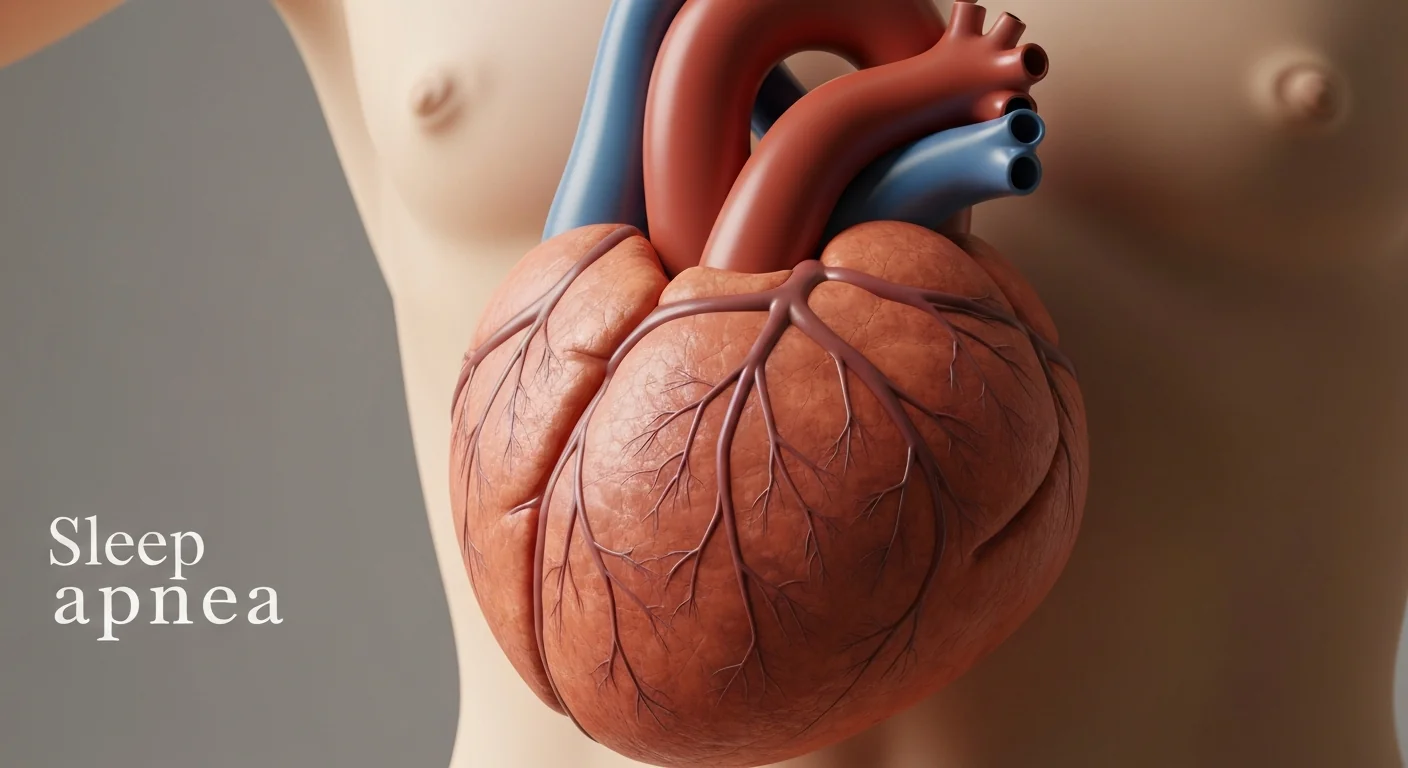
What Sleep Apnoea Does to the Cardiovascular System
Obstructive sleep apnoea (OSA) causes repeated nocturnal hypoxia (oxygen drops), sympathetic nervous system surges, and intrathoracic pressure changes during each apnoeic episode. Over time, these physiological insults produce:
- Hypertension: OSA is the most common secondary cause of resistant hypertension. Approximately 30-40% of hypertensive patients have undiagnosed OSA.
- Atrial fibrillation: OSA doubles the risk of AF and significantly reduces AF treatment success in untreated patients.
- Heart failure: Both systolic and diastolic dysfunction are more common in untreated OSA.
- Stroke: Moderate to severe OSA is associated with a 3x increased stroke risk.
Who Is at Risk
OSA is strongly associated with: obesity (particularly central adiposity), male sex, age over 50, large neck circumference (above 40cm in women, 43cm in men), and retrognathia (receding jaw). However, up to 40% of OSA cases occur in normal-weight individuals.
"Sleep apnoea is probably the most underdiagnosed condition in general cardiology practice. We cannot effectively treat resistant hypertension without screening for it." - Dr. Virend Somers, Mayo Clinic
Screening and Diagnosis
The STOP-BANG questionnaire is a validated 8-question screening tool for OSA risk that any GP can administer. A positive screen warrants formal assessment - ideally a polysomnogram (sleep study) or, where available, a validated home sleep test. The key question to answer: does the Apnoea-Hypopnoea Index (AHI) exceed 5 events per hour? Moderate to severe OSA (AHI above 15) has the strongest cardiovascular risk associations and clearest treatment benefit.
Sleep Apnoea and Heart Health in Practice
If you snore loudly, have witnessed apnoeic episodes, wake unrefreshed, or have resistant hypertension or unexplained AF, specifically ask for OSA screening - it is frequently missed in standard cardiovascular assessment. Treatment with CPAP in moderate-severe OSA reduces 24-hour blood pressure, reduces AF recurrence rates after cardioversion, and dramatically improves sleep quality and cardiovascular risk profile.