Why Evenings Go Off Track So Easily
Evenings have a particular structure that makes good intentions collapse — and understanding that structure is the first step to designing evenings that actually restore.
Practical guides, research roundups, and wellness stories — no hype, no filler.
The moments between activities — waking up, arriving home, ending work — are transition points that shape energy and mood more than the activities themselves.
Evenings have a particular structure that makes good intentions collapse — and understanding that structure is the first step to designing evenings that actually restore.
Most people's weeks are shaped entirely by external demands. A few intentional design choices change the week from something that happens to you into something you're guiding.
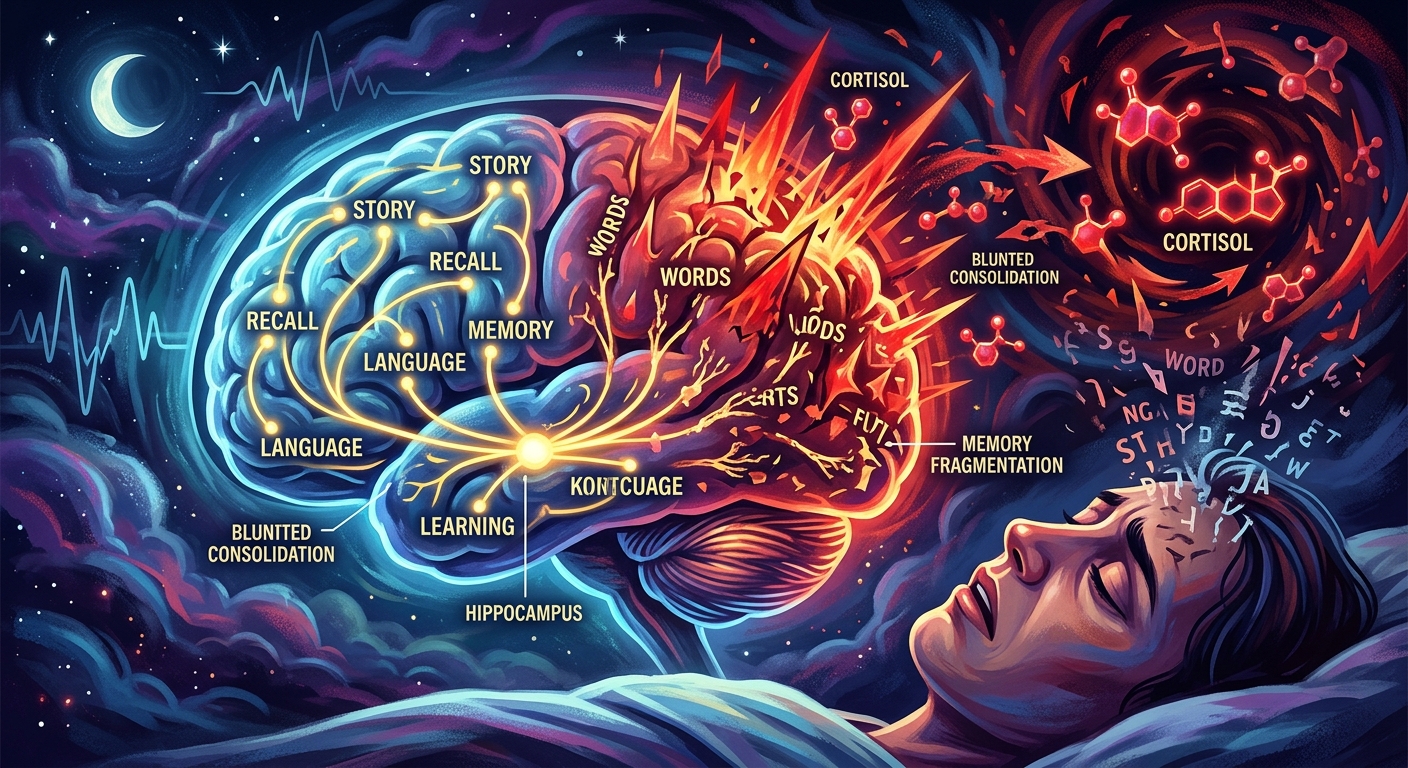
Chronic cortisol elevation disrupts the hippocampal replay that encodes verbal memory overnight. Here's the mechanism and an HPA-grounded protocol to fix it.
Exhaustion doesn't just make you tired — it specifically erodes the executive functions that support habit formation and healthy decision-making.
Your home is not a neutral space — it actively influences your sleep, eating, stress levels, and movement in ways most people never examine.
Modern homes are optimised for entertainment and stimulation, not restoration. Creating a lower-stimulation space is one of the most underrated tools for nervous system recovery.
Conscientiousness predicts long-term health better than most interventions. Here's the biology behind why self-discipline shapes longevity.
Standard behaviour change advice assumes you have spare capacity. When you're overwhelmed, the rules change — and the strategies need to change with them.
The habits we resist most are often the ones that would help most. Understanding why resistance forms helps you dissolve it before it derails the attempt.
Big achievements feel defining, but it's the small, repeated choices that actually construct the identity of a healthy person over time.
The habits most people build work well under normal conditions and collapse during stress — which is exactly when they're most needed.