The benefits of meditating in the morning
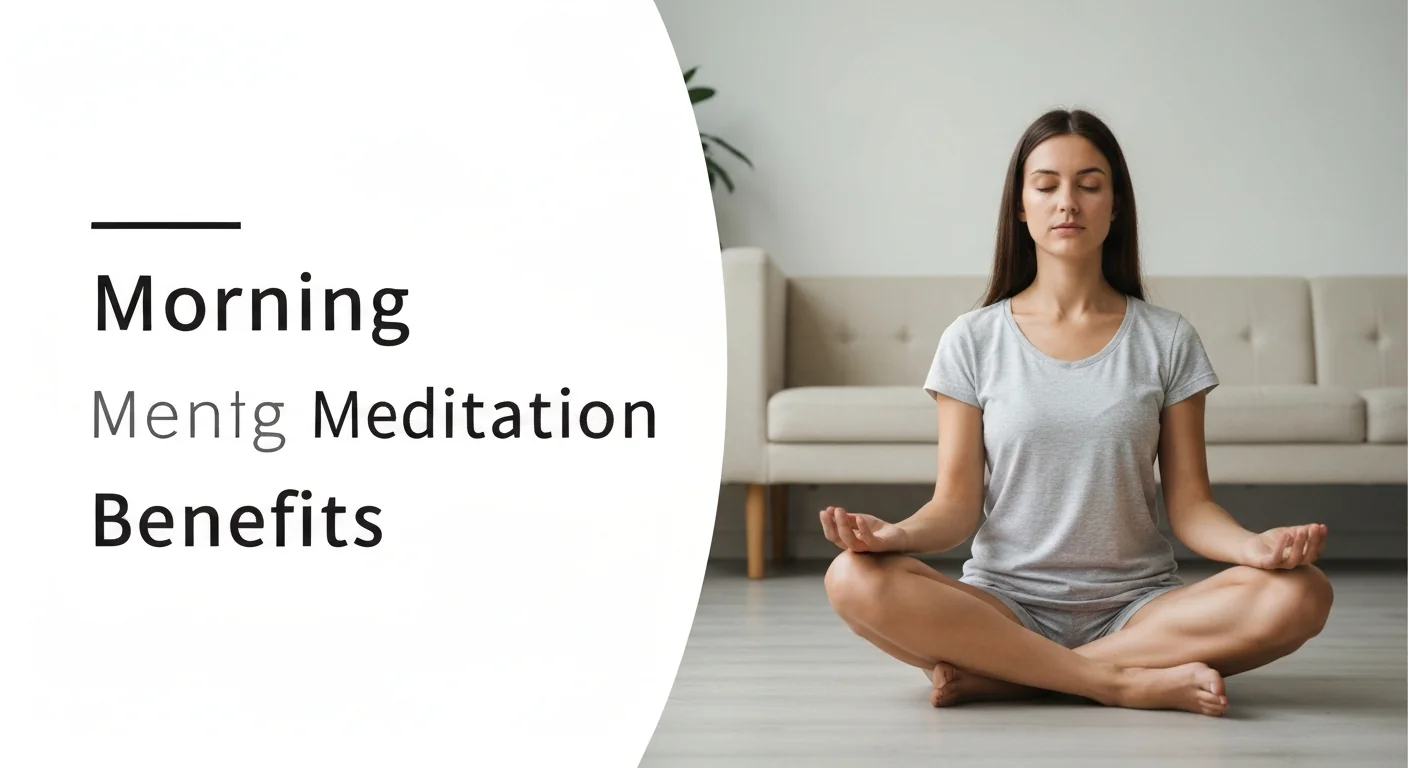
The Neuroscience of a Meditative Start
The transition from sleep to waking involves a period of heightened theta wave activity -- a brainwave state associated with creativity, insight, and a permeable boundary between the conscious and unconscious mind. Morning meditation, particularly before the activation of the stress response by external demands, maintains and deepens this state rather than abruptly terminating it with reactive activity.
What Morning Meditation Research Shows
Studies comparing morning vs evening meditation find morning practice produces stronger effects on daytime stress reactivity, emotional regulation, and sustained attention. The timing appears to matter: a practice that establishes a calm, focused baseline before daily stressors arrive sets a different day trajectory than the same practice used reactively after stress has accumulated.
The Minimal Effective Dose
Research supports effects from as little as 10 minutes of focused attention practice. The mechanism does not require extended sitting -- it requires consistent, deliberate attention to a chosen object (typically the breath) with patient return when the mind wanders. Duration matters less than daily consistency.
Integration Strategies
- Immediately after waking, before device use, creates the cleanest contextual association
- Same location daily builds the contextual cue that shortens the transition into the meditative state
- Guided apps (Headspace, Insight Timer, Waking Up) reduce the barrier for beginners; formal technique study is not required for the basic effects
Why Starting With Stillness Changes the Day in Practice
The test is simple: try 10 minutes of morning meditation for two weeks, starting before any reactive activity. Compare those days to days without the practice. Most people find the self-experiment sufficiently compelling to continue without needing further persuasion.