Does evening exercise hurt your sleep?
The Old Rule and the New Evidence
The conventional wisdom that exercise within three hours of sleep disrupts sleep is not well-supported by current research. Multiple systematic reviews have found that most people sleep as well -- and often better -- after evening exercise compared to no exercise. The exception is high-intensity exercise within 60-90 minutes of bed, which can delay sleep onset in some individuals.
What Actually Matters
Individual variation is the key finding. Roughly 80% of people appear unaffected or positively affected by evening exercise on sleep metrics. About 20% experience sleep disruption, particularly from high-intensity sessions late in the evening. The way to know which group you are in is to track sleep quality on days with late exercise and compare.
Evening Movement for Wind-Down
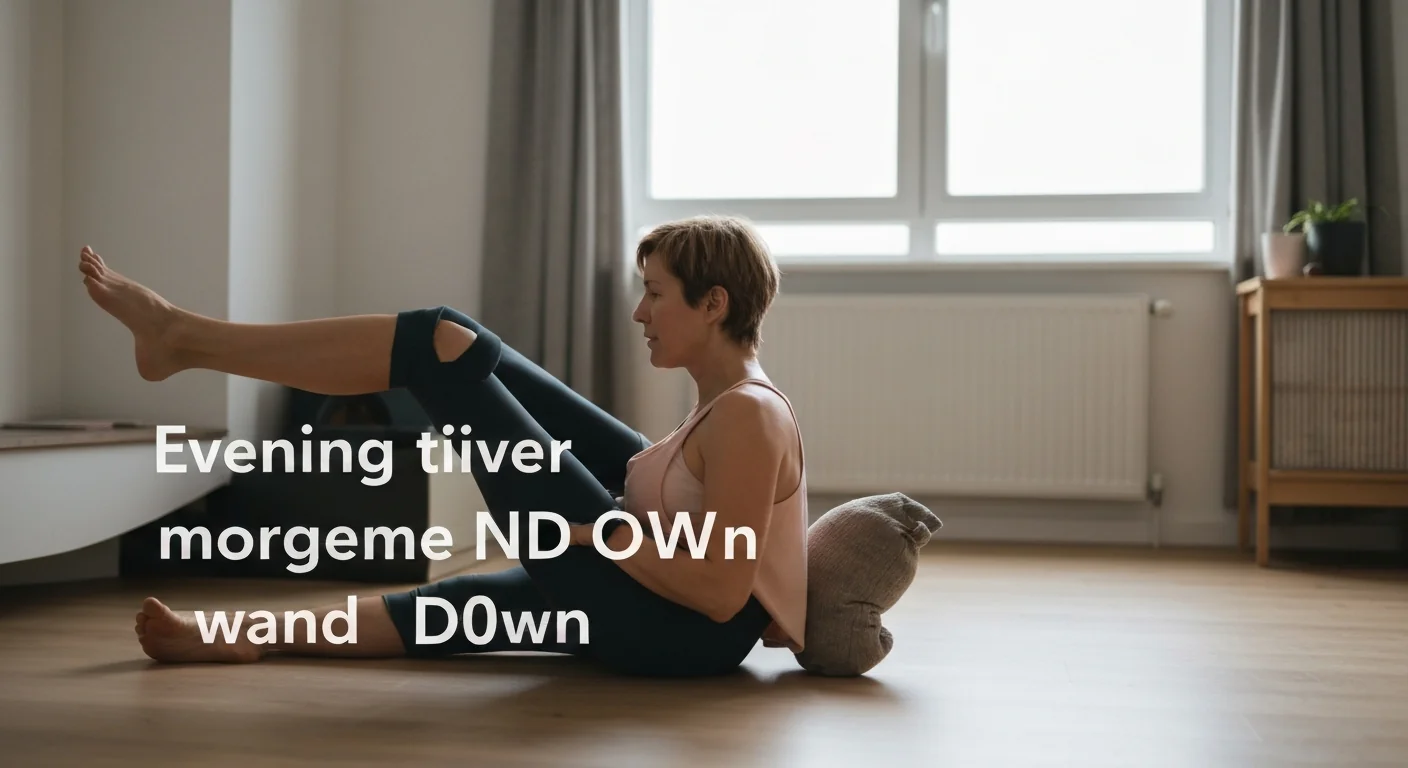
Low-intensity movement in the evening -- gentle yoga, walking, mobility work -- is broadly positive for sleep onset. These activities lower physiological arousal rather than raising it, and the temperature drop following even mild physical activity supports the core temperature decline required for sleep onset.
The Cortisol Question
High-intensity exercise produces a cortisol spike that typically resolves within 60-90 minutes for most people. If you are doing intense training in the evening and finding sleep difficult, try shifting the session earlier by 60-90 minutes before concluding that evening exercise is incompatible with your sleep.
Exercise Timing and Sleep Quality in Practice
Do not let the timing question prevent you from exercising. If evening is your only available time, use it. If you suspect late high-intensity training is affecting your sleep, move it earlier or replace it with lower-intensity evening activity and see whether sleep improves within one to two weeks.