Building muscle to age better
Muscle mass is the strongest predictor of functional independence in later life. The case for building and preserving muscle - starting as early as possible - is stronger than almost any other longevity intervention.
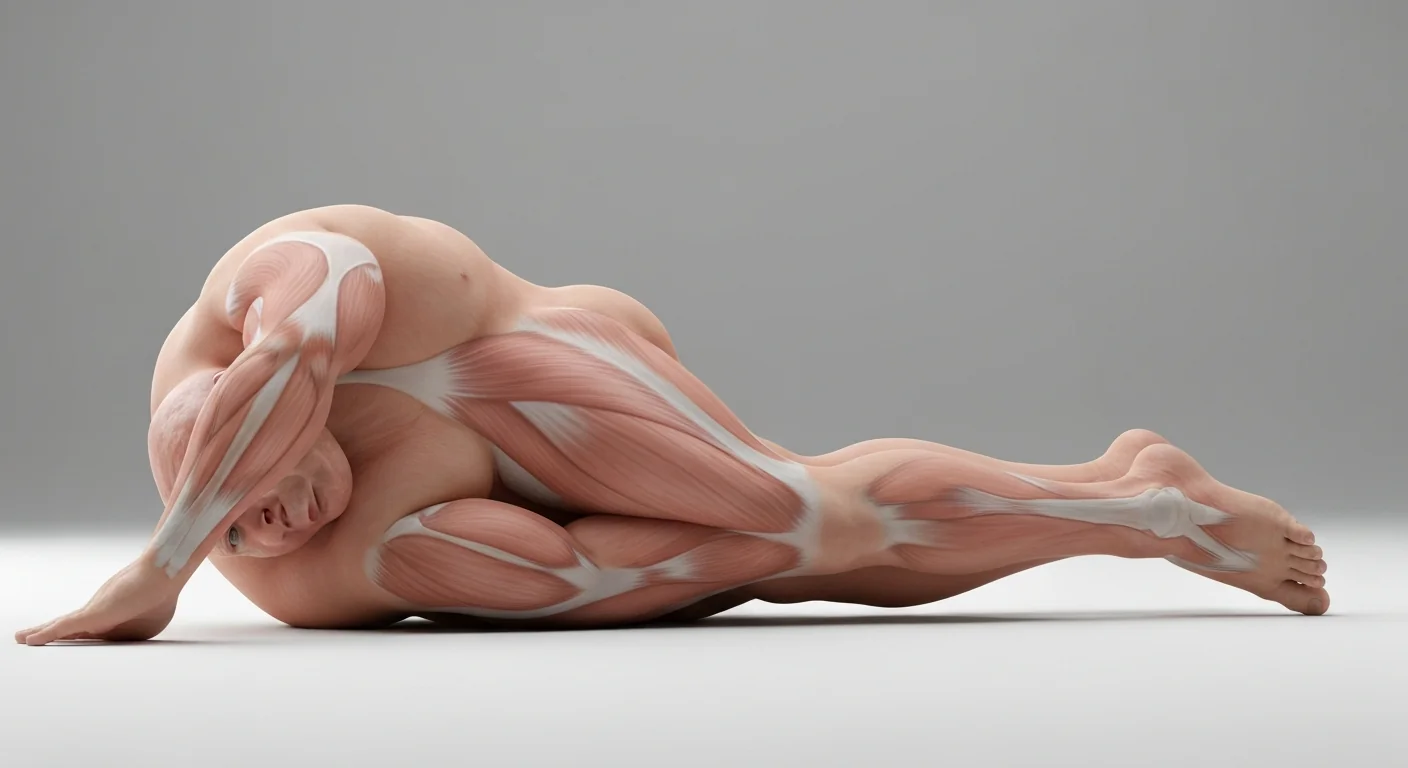
The Muscle-Longevity Connection
Epidemiological data consistently shows that muscle mass and grip strength are among the strongest predictors of all-cause mortality, cardiovascular events, and disability in later life. A 2018 meta-analysis across 35 studies found that low muscle mass was associated with a 2.3x increase in mortality risk in older adults. Low grip strength specifically has been called "the world's best clinical biomarker" for overall health.
Why Muscle Declines With Age
Sarcopenia - age-related muscle loss - begins around age 30-35 and accelerates after 50. Without intervention, adults lose 3-5% of muscle mass per decade from age 30 and up to 1-2% per year after 60. This is not inevitable - it is the default outcome of a sedentary, inadequately-fed lifestyle overlaid on biological ageing.
"Muscle is not just for athletes. It is the organ of longevity. The more you have at 40, the more you have to lose by 80 before you lose function." - Dr. Peter Attia
What Muscle Does Beyond Movement
- Metabolic reservoir: Muscle is the primary site of glucose disposal; higher muscle mass directly improves insulin sensitivity.
- Protein reservoir: During illness, the body catabolises muscle for amino acids. More muscle means greater resilience to acute illness and surgery.
- Fall and fracture prevention: Stronger muscles protect joints and improve balance, reducing fall risk - a leading cause of morbidity in older adults.
- Endocrine organ: Muscle releases myokines during contraction - anti-inflammatory signalling molecules that benefit the brain, liver, bone, and adipose tissue.
How to Build Muscle for Longevity
| Principle | Recommendation |
|---|---|
| Resistance training | 2-3 sessions per week, all major muscle groups |
| Protein intake | 1.6-2.2g per kg bodyweight per day |
| Progressive overload | Incrementally increase load or volume over time |
| Consistency over intensity | Decades of moderate training beats years of intense then none |
Muscle and Longevity in Practice
The best time to build your muscle reserve was your 30s. The second best time is now. Two resistance training sessions per week - focused on compound movements with progressive overload - paired with adequate protein intake represents the highest-return longevity investment available to most people. It requires no equipment that cannot be found in any gym, and its effects begin within weeks.